Communication, Community, connection, creativity, Family, neurodivergent, Playtime, storytelling, Wonder More, workshops

Story Spinners, 3rd Saturday in Warrington

A creative club for neurodivergent families

Designed for families with Neurodiverent Children aged 7-11 (younger and older siblings welcome).

The club provides a friendly environment where families can explore different art forms, boost their confidence and enjoy quality time together.
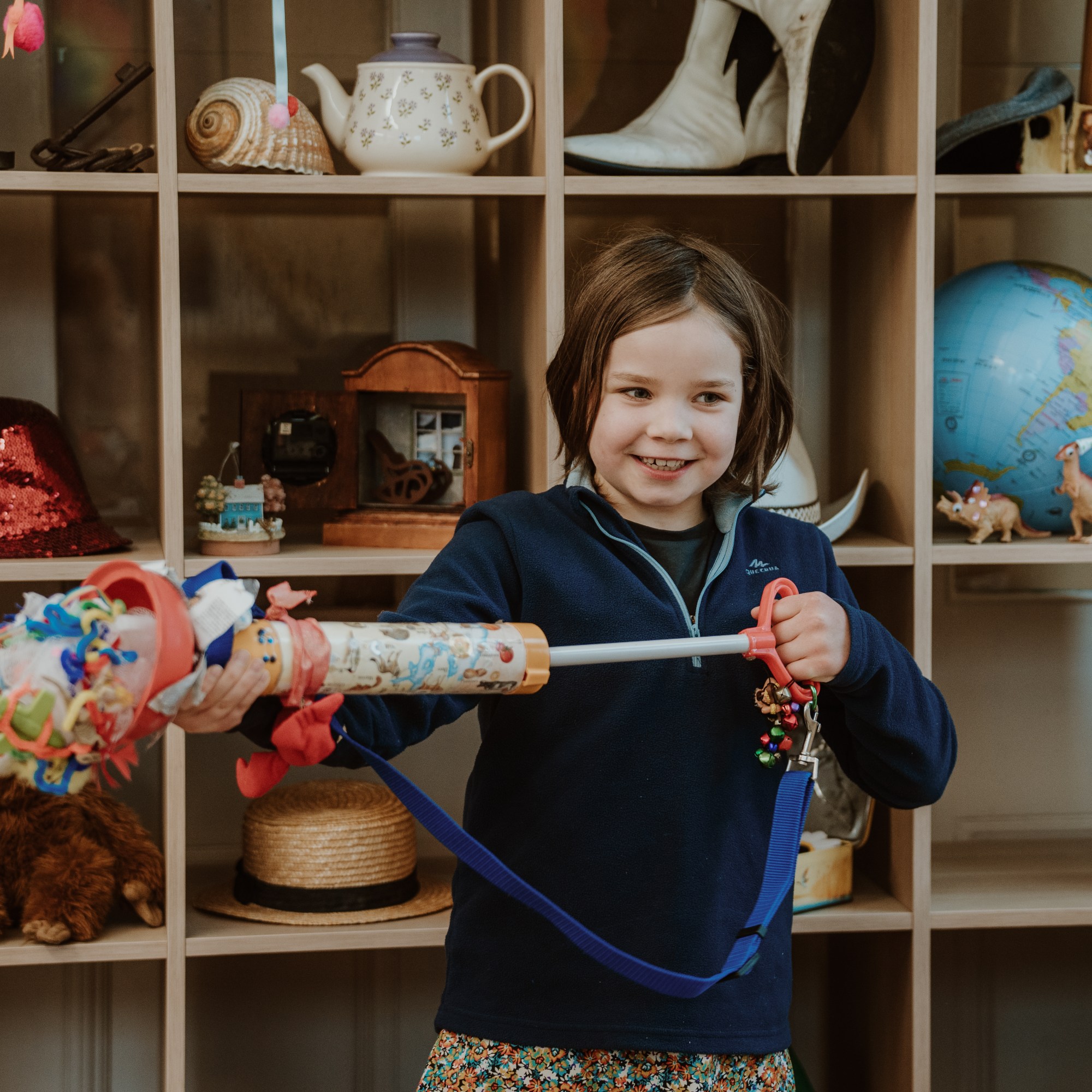
Families have expressed how welcoming, accepting and supportive our sessions are and the space we host them in. There is comfortable seating, different sizes of tables and chairs or cushions, rugs and mats that can be used.

You may be awaiting a diagnosis, find that other spaces don’t suit or want a different and more flexible approach. You don’t have to prove or justify anything to us, if our space and approach looks or sounds like a good fit, then it might be worth a go.

All sessions are free and take place at The Old School in Warrington.

These sessions were originally developed with support from Cheshire Community Foundation and have now been expanded with the support of The National Lottery Community Fund.
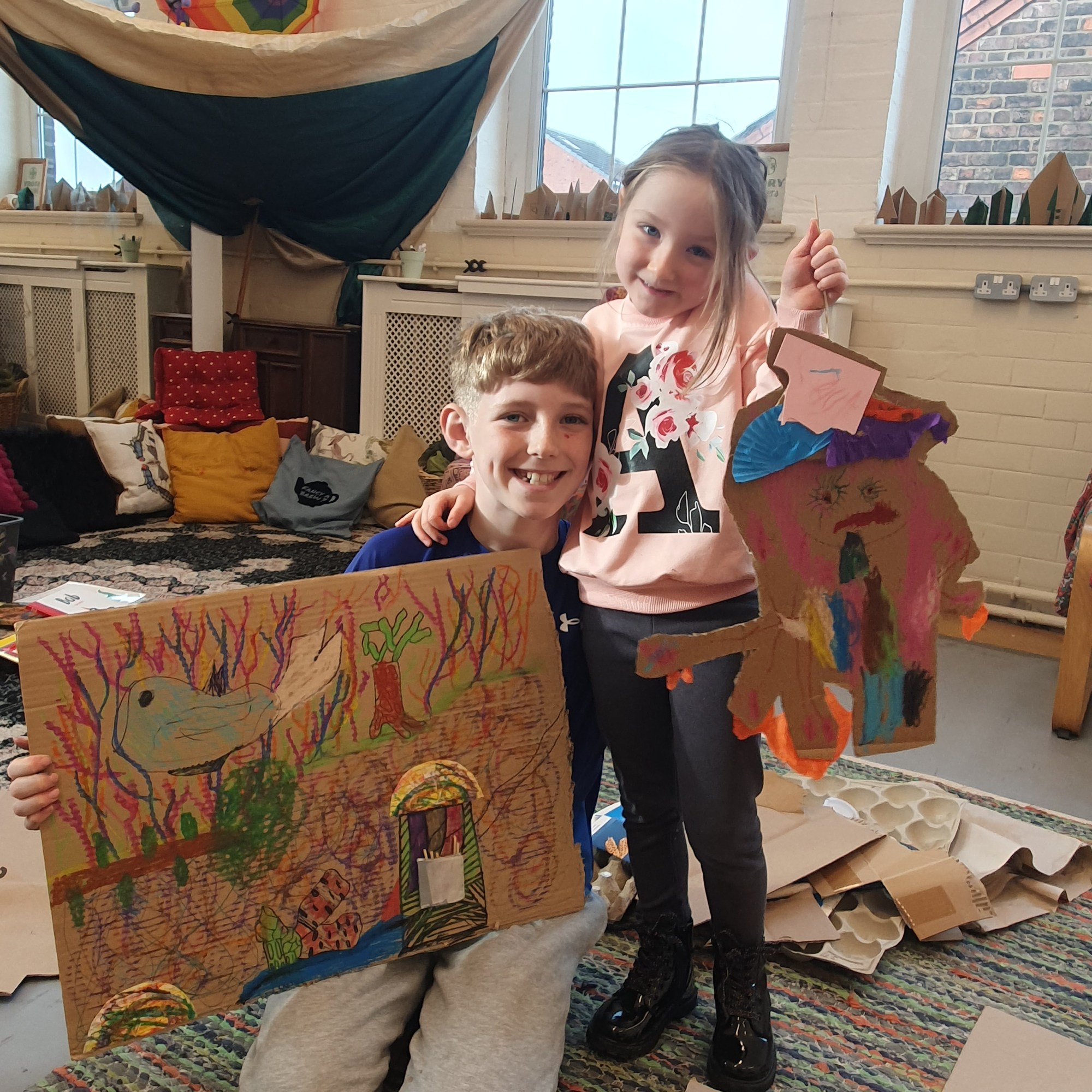
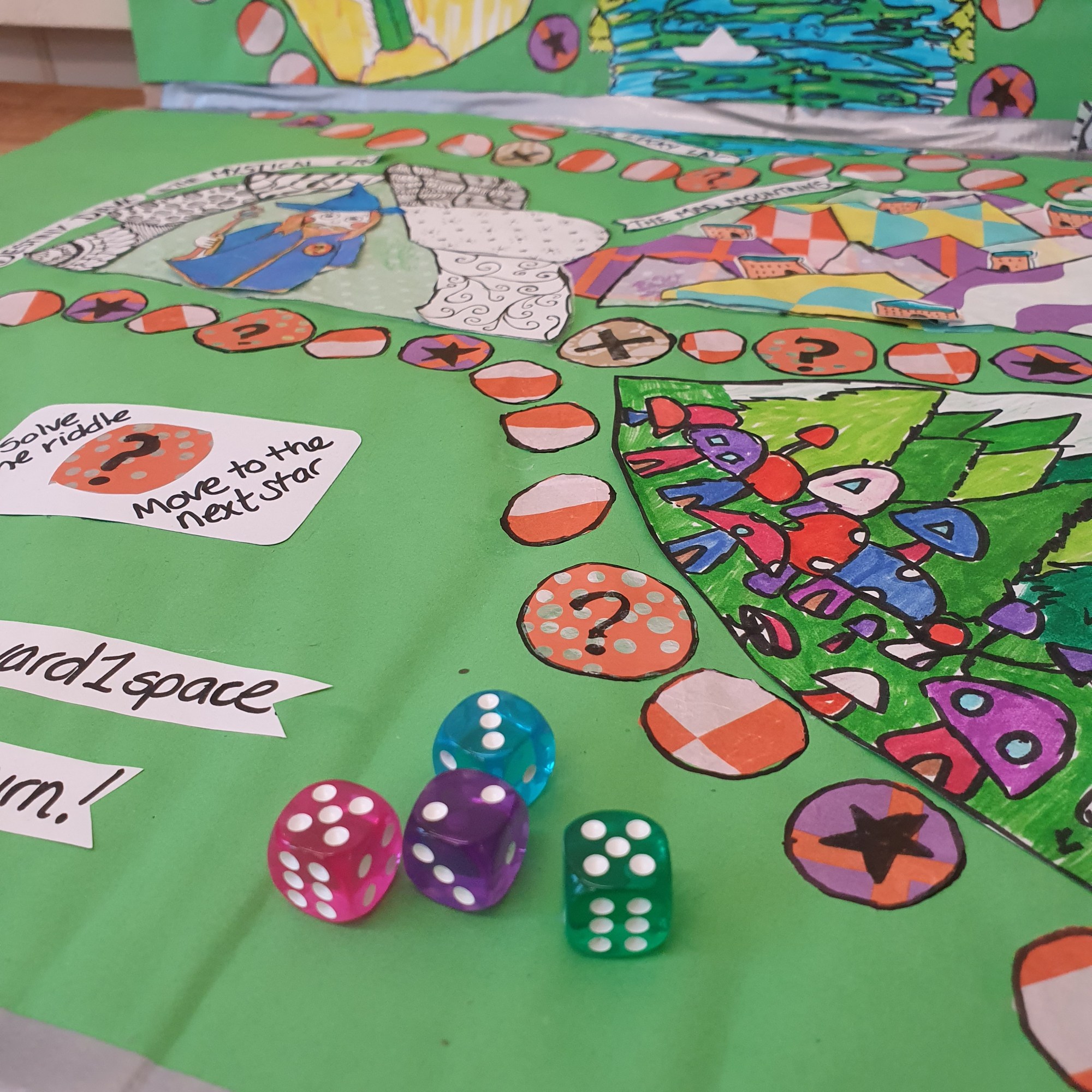
What We Do:

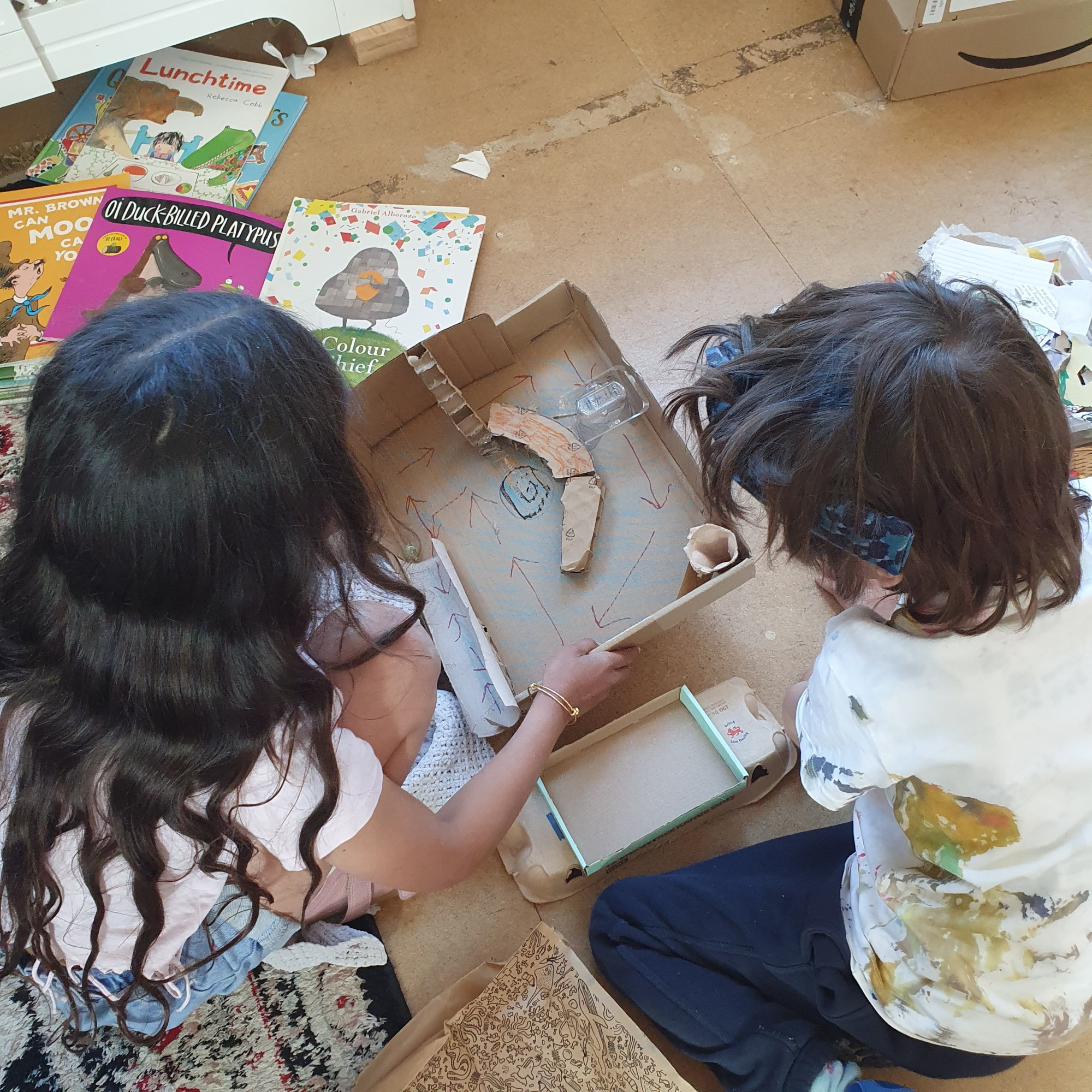
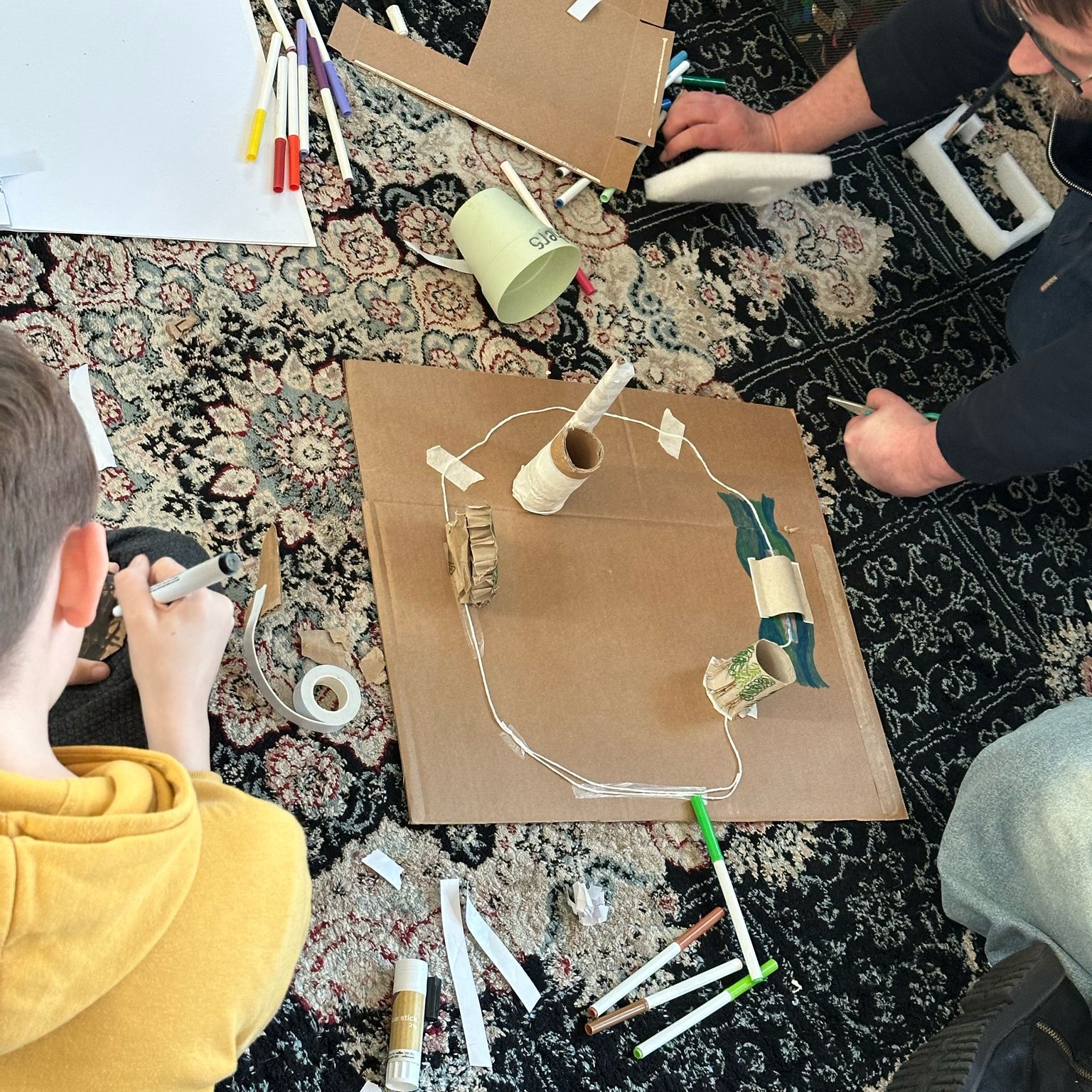
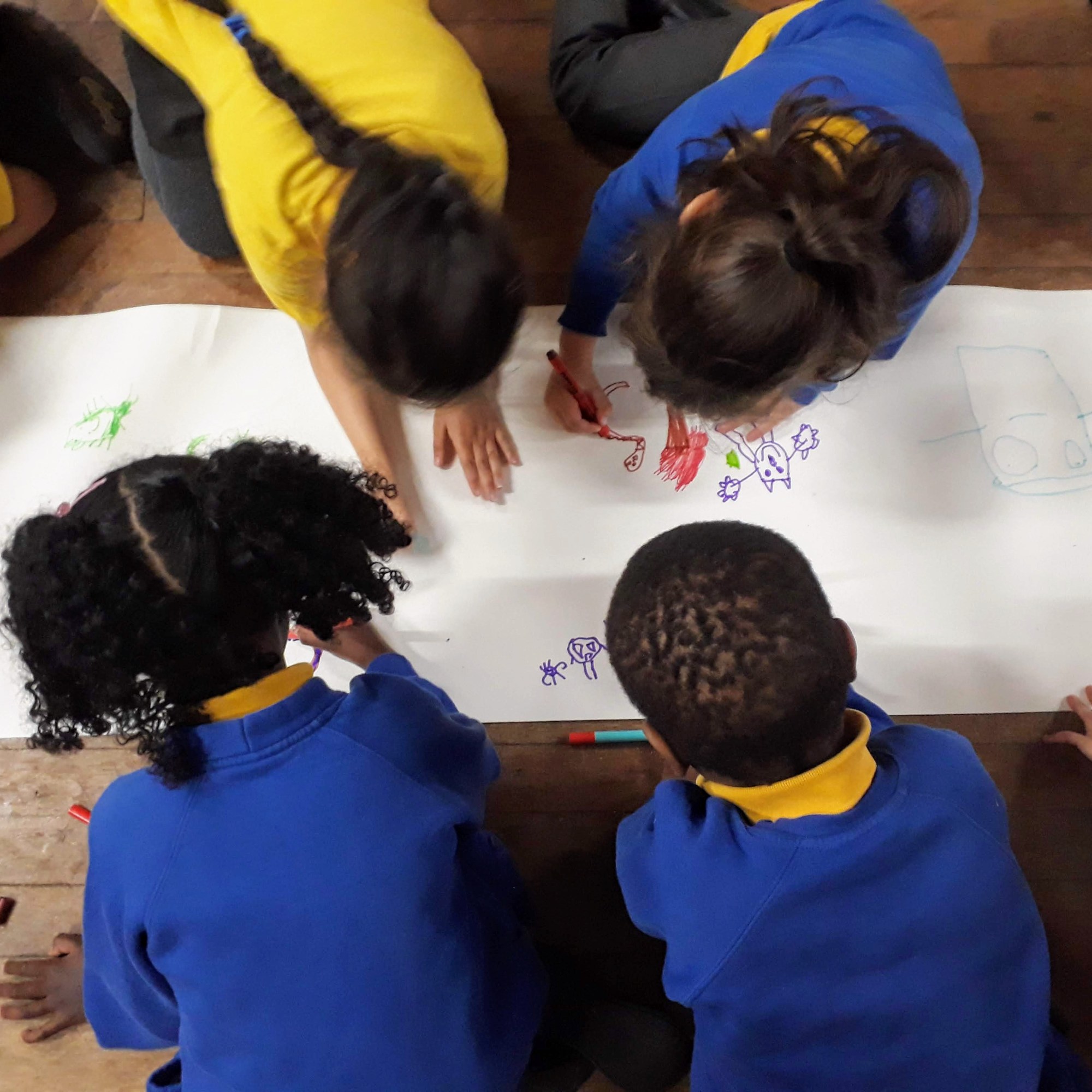
  • Create worlds and stories together
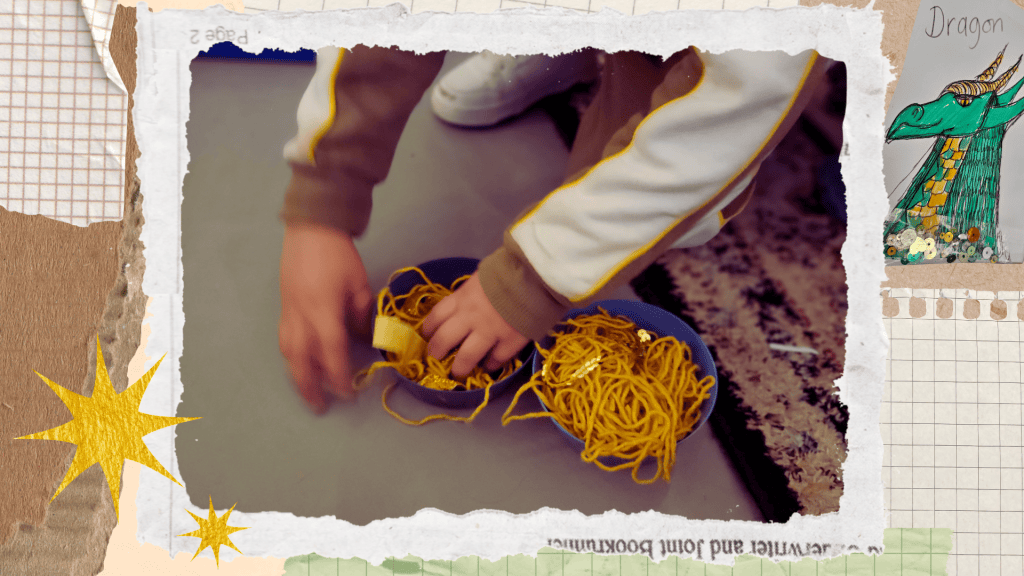
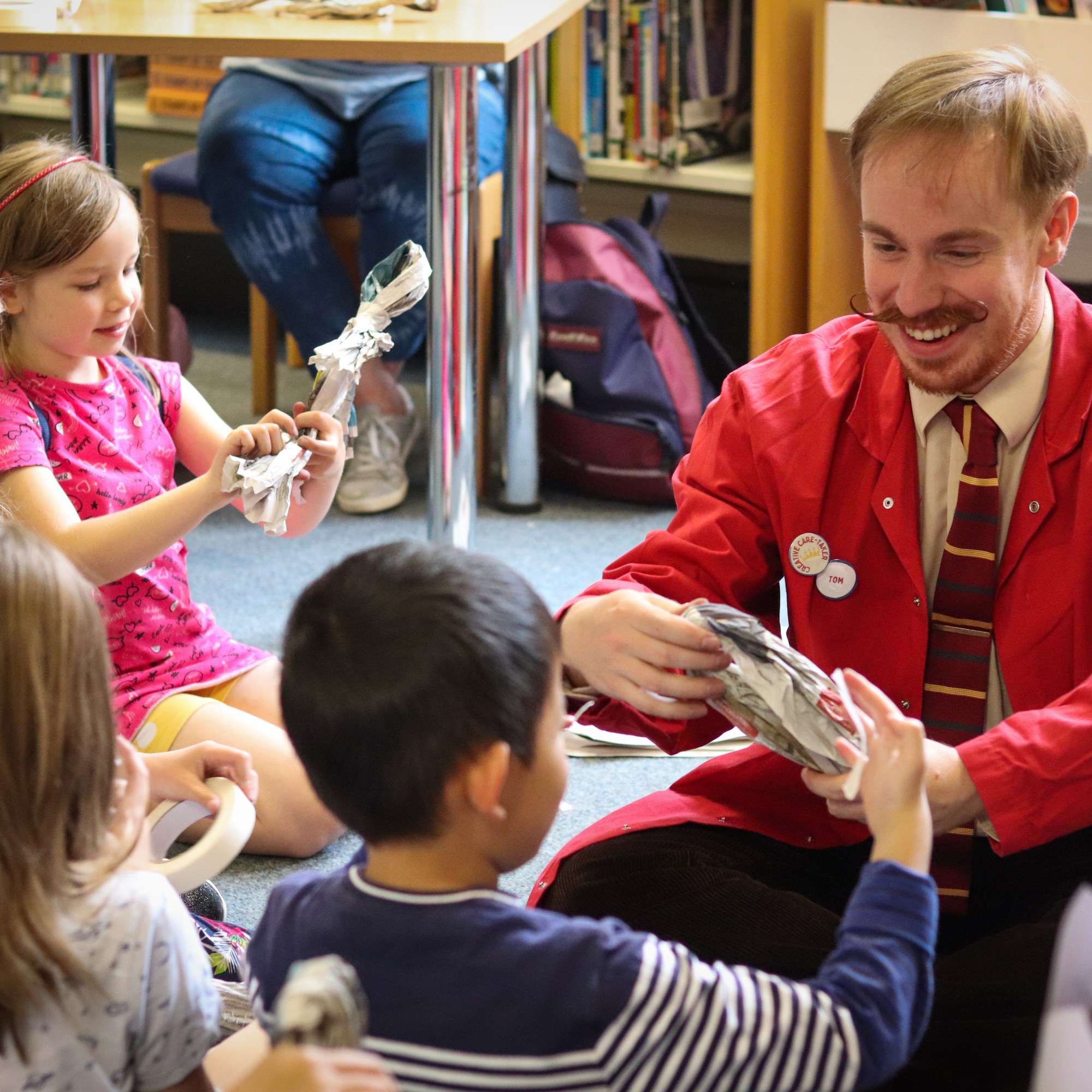
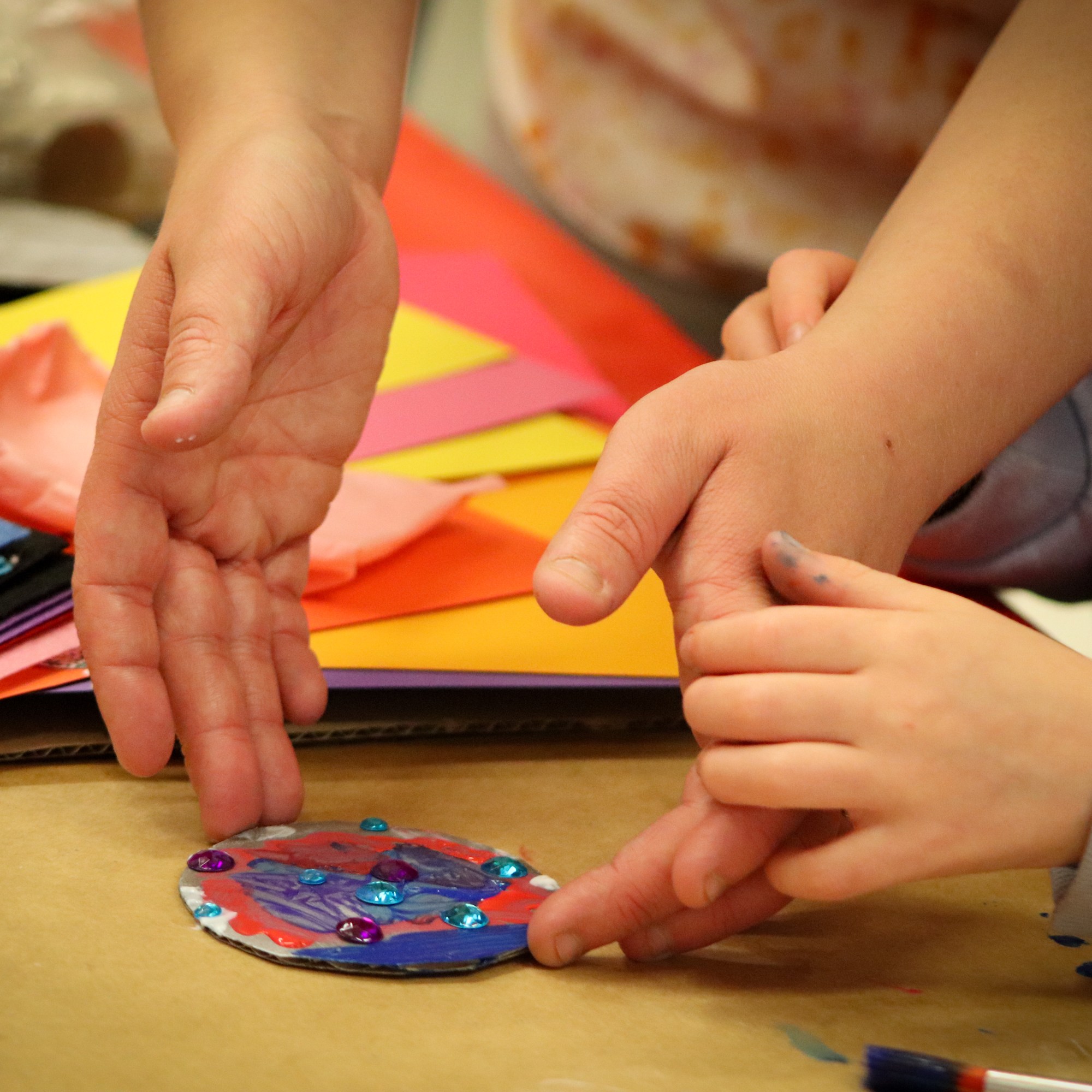
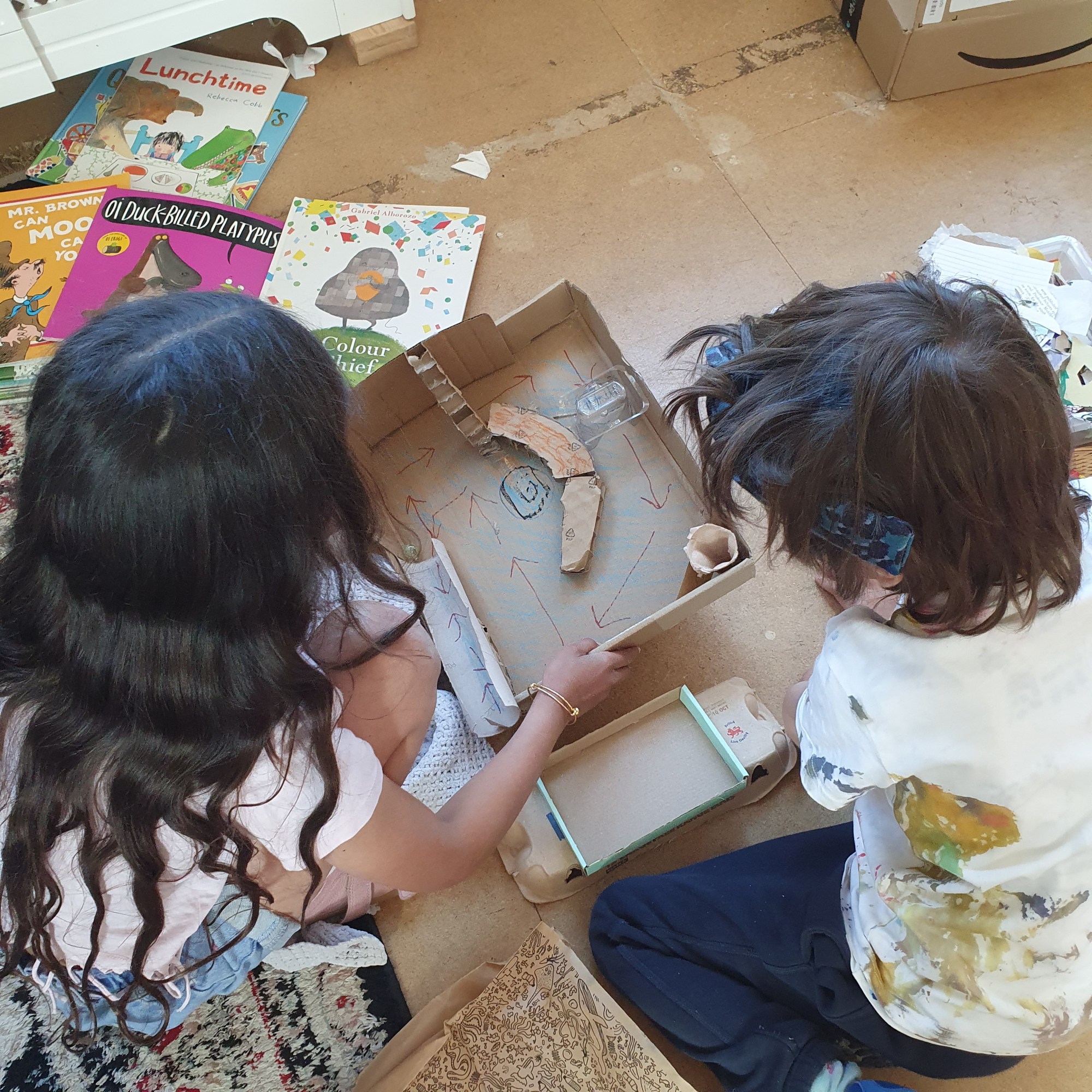
  • Use recycled materials and craft tools to make pictures, puppets and objects to tell stories with
  • Work together or alongside each other as a family
  • Feel accepted and celebrated for working in a way you enjoy working, without pressure of set targets
  • Enjoy being creative with family members while meeting new people too.

Details

Day & Time: 3rd Saturday of the month 10.30-12

Location: Westy Community Centre, Latchford. WA4 1TA

To book your place or find out more, please fill in this form below.

Or scroll down for more details about the room we use, access and the people who run the sessions.

← Back

Thank you for your response. ✨

Easy Read Guide for our group

Who is this group for?

  • Families with neurodivergent children aged 7-11 and their siblings
  • Adults and children who find some public or education spaces overwhelming
  • Children, parents and carers who want an accessible space to be creative and spend quality tiime with their family

What do we do?

  • Creative activities – arts, crafts and imaginative play
  • Talk about ideas and things we enjoy doing
  • Meet new people
  • Have fun

Do I need a diagnosis or anything to show neurodivergence?

No. We will only ask if you have any access requirements. You may be on a pathway or a long way from that. Our environment and approach is here to help your children and you to be creative and feel accepted.

adult workshops, Community, creative writing, Drama and Theatre, Elders, Joy, storytelling

Act like your Elders

“I found a confidence I didn’t know I could have. I tried things I never thought I could do.”

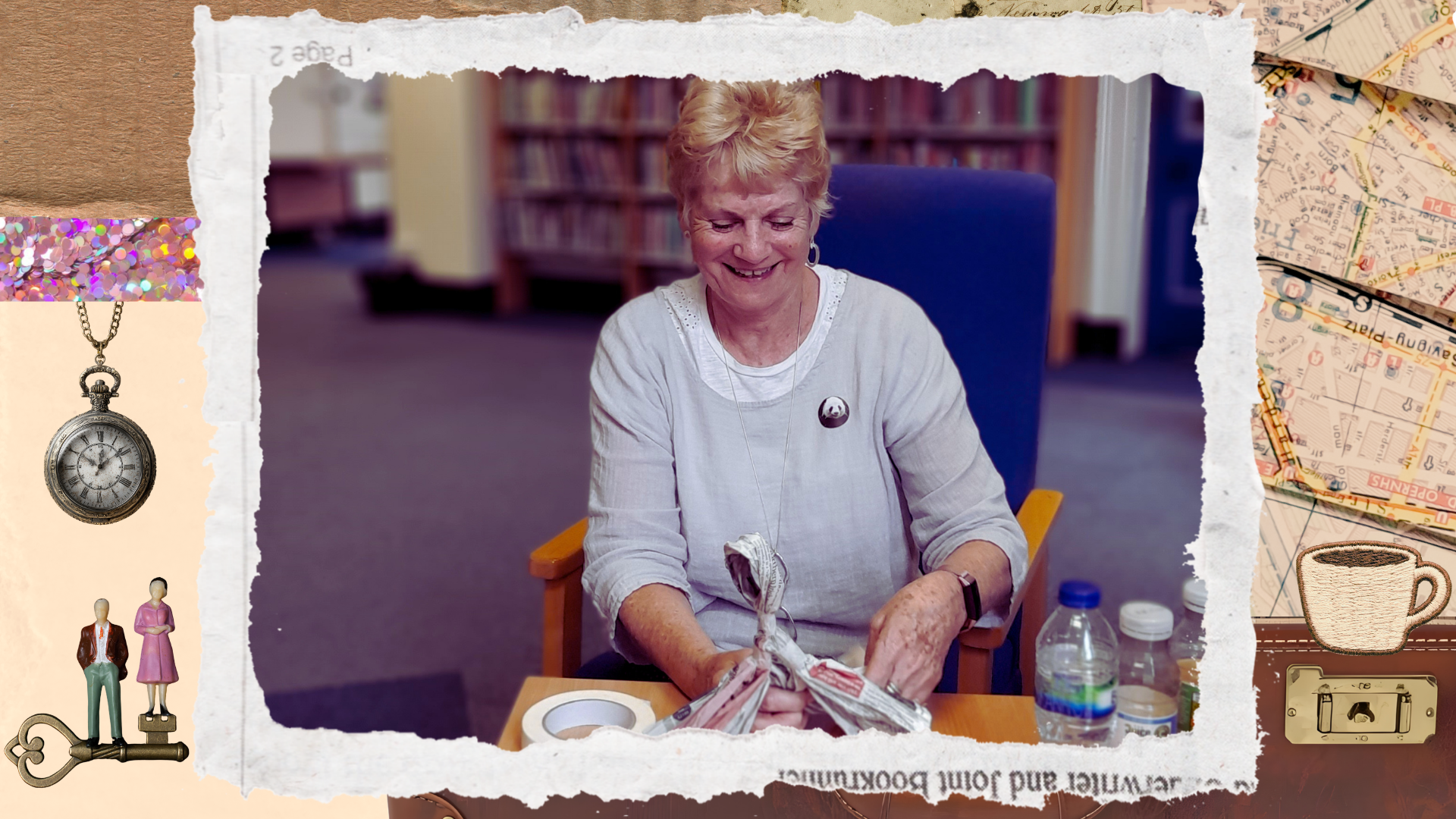
We completed over 6 months of our free weekly theatre group for older adults thanks to funding from The National Lotteries Community Fund.

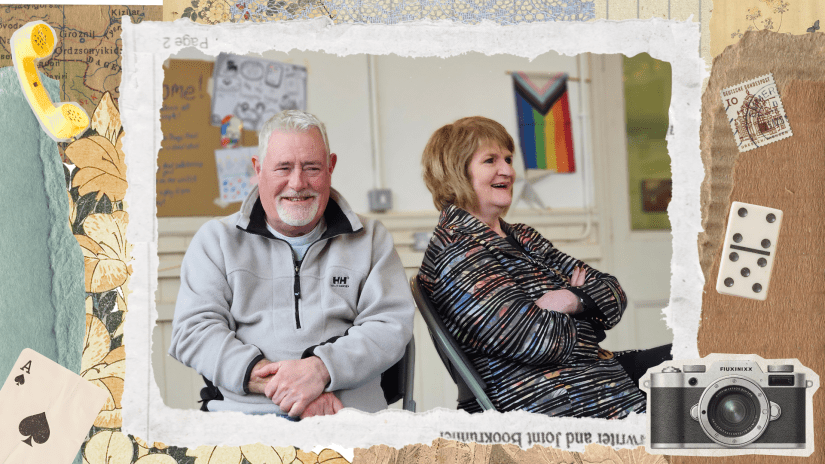
With no lines to learn, no auditions, no fuss — just fun, laughter, and a friendly bunch who loved a good yarn. They played with poetry, tried their hand at a bit of acting for stage or radio, and dreamt up their own monologues.

The group, led by Tom, then stitched their stories together into a collection of writing, titled A Manifesto for being Brave. You can read this here

Community, connection, creativity, Early years, Family, Games, Home School, Nature, Playtime

Wonder Weavers – Homemade Resources

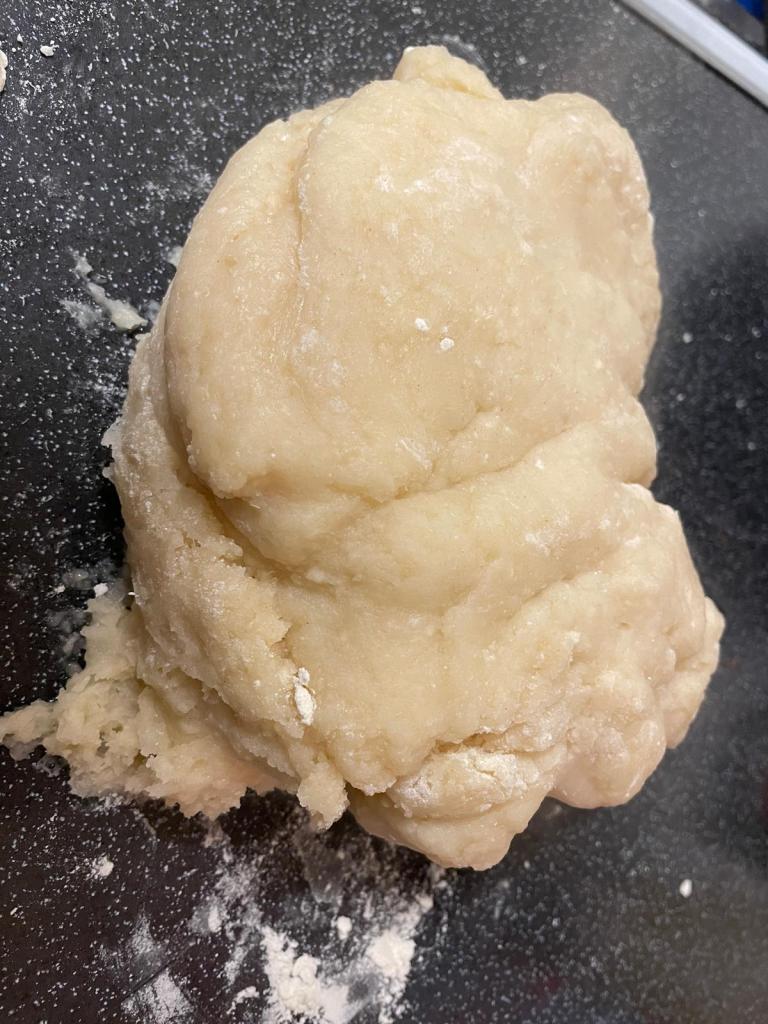
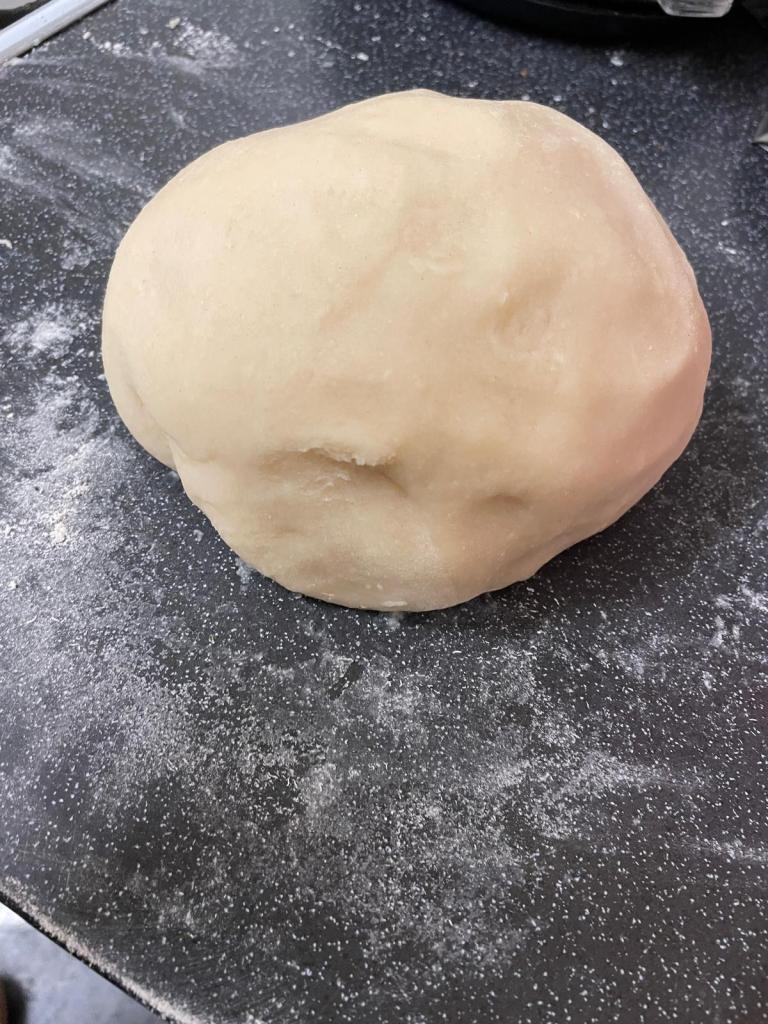
Playdough Recipe

Ingredients

  • 1 cup of flour
  • 2 tsp cream of tartar
  • 1/2 cup of salt
  • 1 tbsp vegetable oil
  • 1 cup of water
  • food colouring

Method

Combine all the dry ingredients and mix well

Add the food colouring to the water and then add the vegetable oil and water and food colouring to a large pan and mix together.

Add the dry ingredients and mix well

Cook over a low to medium heat until the dough starts to form and becomes dry.

Once all the dough has formed a ball, remove from heat and let cool.

Once cooled, knead the dough for 5 minutes to soften. If the dough is still sticky, put back in pan and heat for a few more minutes.

Wrap in clingfilm and store in air tight container and keep in fridge for 1 week.


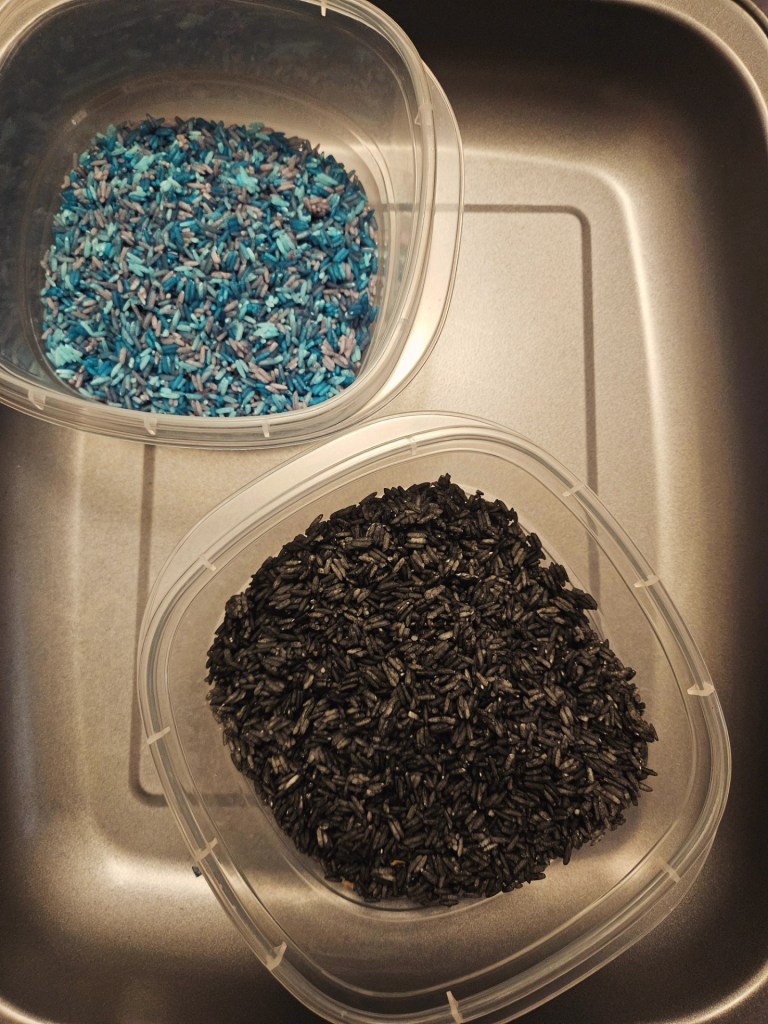
Coloured Rice

Ingredients

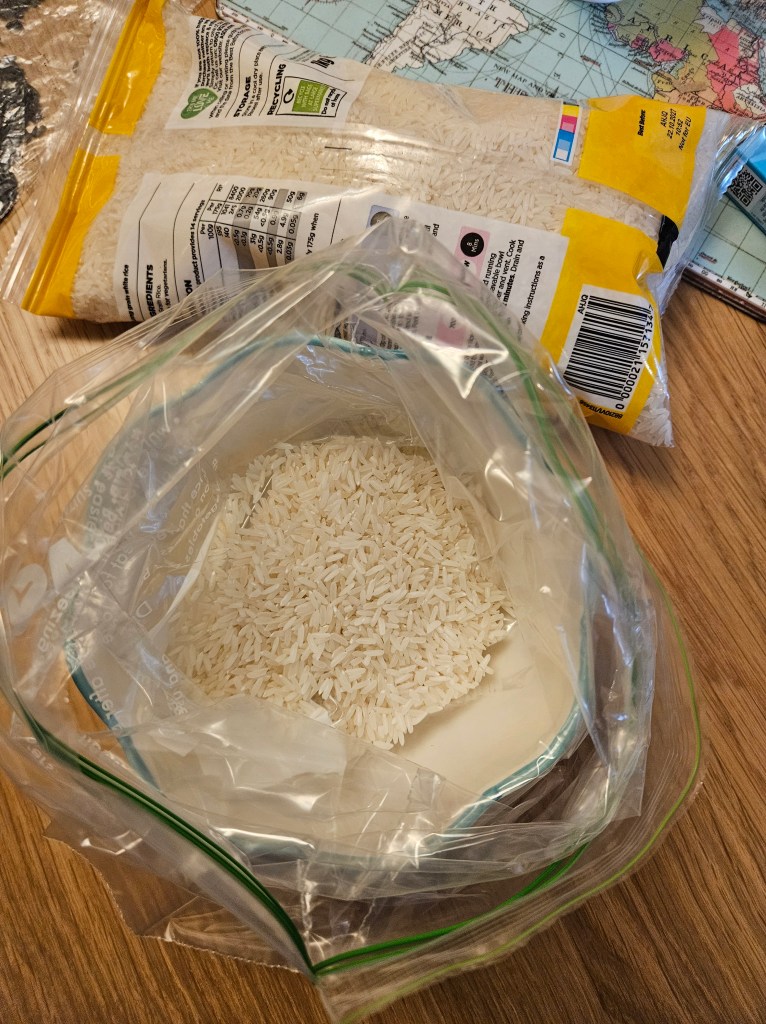
  • Dried Rice
  • White Vinegar
  • Water
  • Food Colouring

Method

Dilute the White Vinegar – 2 parts water to 1 part White Vinegar

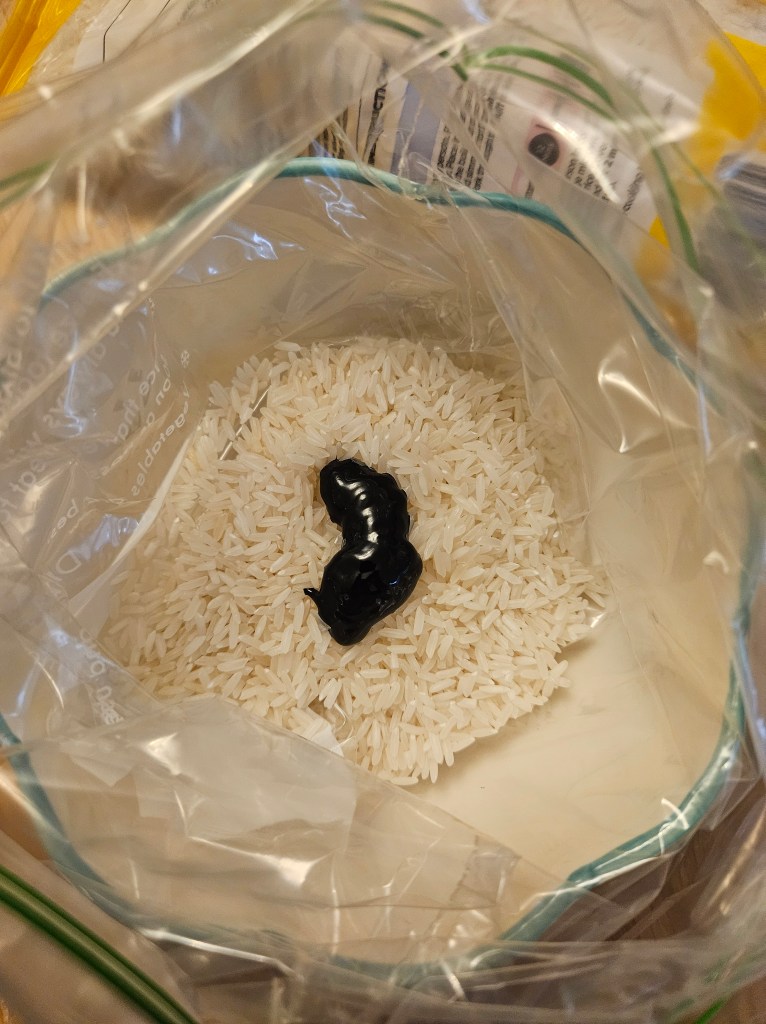
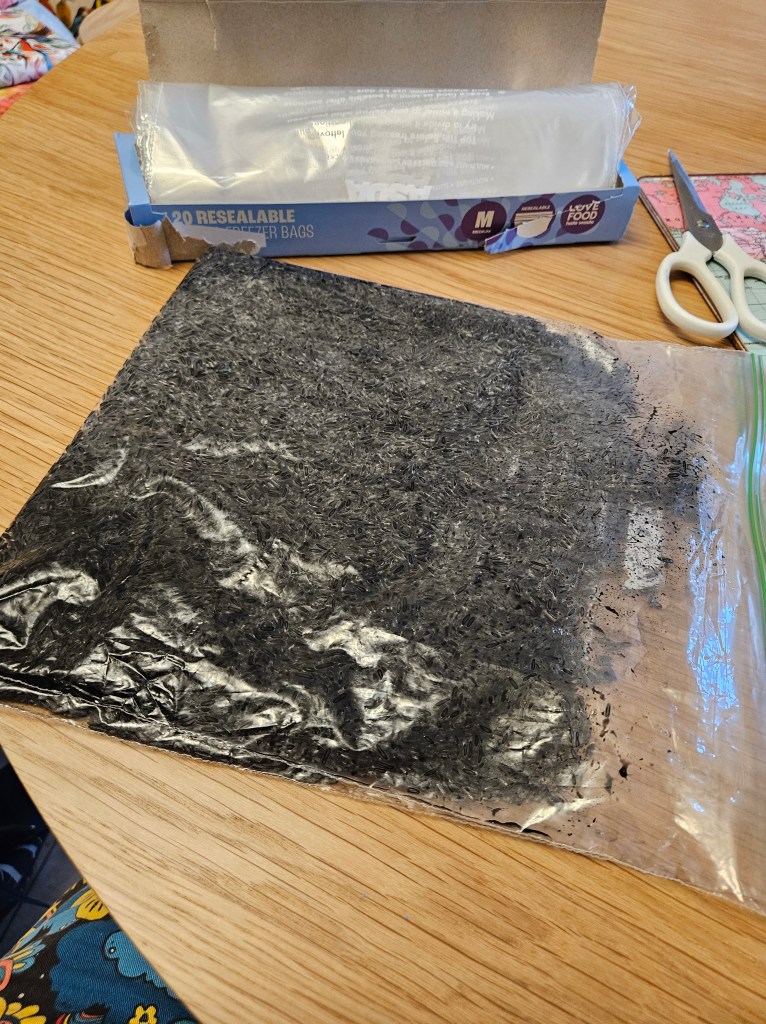
In a Zip lock freezer bag, add a cup of rice, a tablespoon of diluted white vinegar and a few drops of food colouring.

Seal the bag shut, ensuring all air is out of the bag and spread the food colouring across the rice

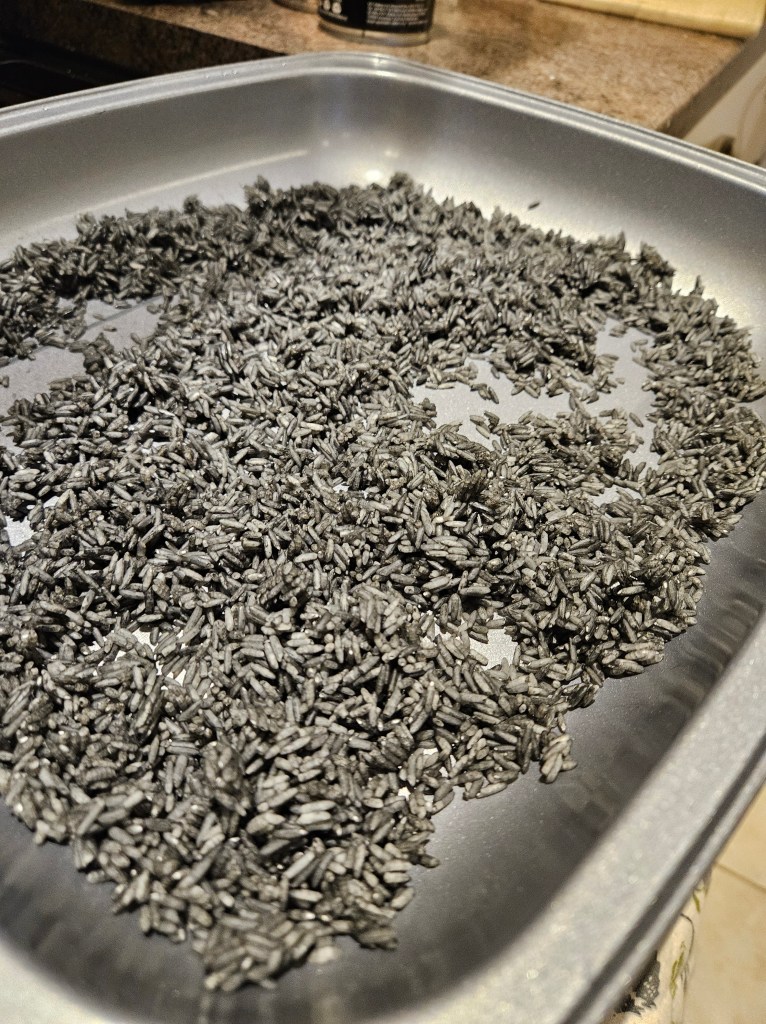
Once throuroughly mixed, empty the bag onto a baking tray and leave to dry for a couple of hours.

Store in an air tight container for up to a year.

Want to download a free copy of our Parenting Playbook – A guide to support play at home? Follow this link

Communication, Community, connection, creative writing, creativity, ESOL, Family, Joy, storytelling

Story Makers, Warrington

“We were made to feel so welcome. My children were so happy”

We hosted 10 creative workshops for Families who speak English as a Second Language who have been driven to Warrington by circumstance

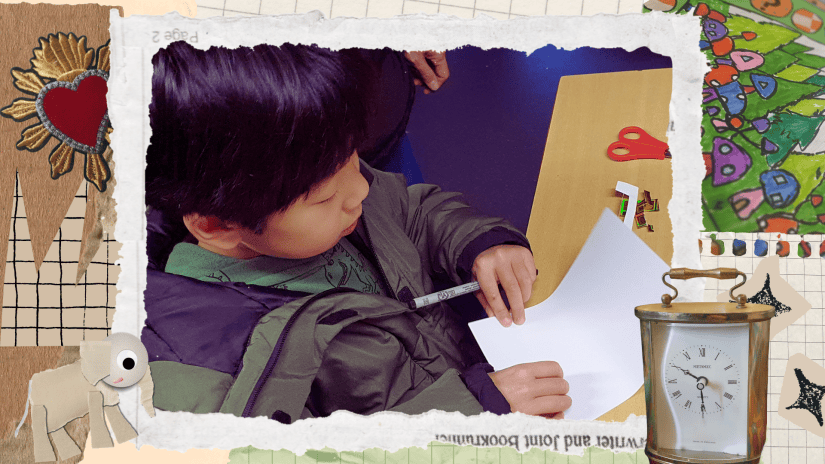
At our Story Makers group supported families who had arrived in Warrington through diverse circumstances by offering accessible, arts-based activities that encouraged expression, community connection and celebrated our cultures, with support for ESOL learners.

Families were welcomed to come together to share stories, play and learn English.

“He keeps asking is it time to go to group again. I haven’t seen him so at relaxed out of our house”

Story Makers Digital

We know that circumstances change and often families can be moved about the UK at very short notice. This On Demand activity is here to encourage family and community connections across the UK. You can access these activities here

Community, connection, creativity, Family, Joy, Kindness is Radical, Playtime, storytelling, Wonder More, workshops

Scrapbook Storytelling

Like stories, beginnings are important. We are often asked

“How do we start a project? What approaches do we have? What attitudes do we foster?”

So this is how we unpack the beginning of things, how we establish relationships and cultivate joy and wonder.

Joy Seeking

If we support folk to discover joy and curiosity, they are more likely to connect with meaningful creative activity. The word glimmer entered our vocabulary from the trauma informed community. For those who don’t know, a glimmer is considered to be the opposite of a trigger. While a trigger may cause trauma, stress or anxiety to surface, a glimmer is considered to be micro moments that induce happiness. Once we become aware of those glimmers, we can start to build upon them and make more time in our life to do the things that generate those glimmers. 

However, some of our participants are not ready for glimmer hunting. They are so bogged down in the stresses of life that even a glimmer is beyond them. So we will look for a Spark. If a glimmer is a micro moment, a Spark is a nano second. A flashing twinkle that may fizzle out before the participant has even recognised that jot of joy in their body. As facilitators, it is our job to seek the Spark in our participants and build upon it. 

This is a very watchful practice. These Sparks might be a widening of the eyes, a satisfied sigh, a flicker of a smile or a leaning into the work. It cannot be achieved if we are too busy teaching a refined artistic skill or aiming for an explicit finished piece of work. In this stage this is how we establish a relationship, we want to connect to the human before we connect to the artist. This early stage of creative collaboration is built around accessibility and appropriateness for the participant. We call this Scrapbook Storytelling.

This could be a prompt sheet to encourage words or drawing their favourite things or telling us about their favourite character from a film, TV or book or collaging an object that they use everyday. From this moment we can really start to tailor the creative offer to match the common interests of the group. This is where the glimmers emerge and the participants begin to recognise the joy they are discovering in their creative practice. With our encouragement, we as a group start to seek the joy out. 

This is done authentically. We, as artists, are also seeking joy. Instead of commenting on whether someone’s outcome is ‘Good ‘ or not, we give feedback on the approach:  “I can see how you have made those dots using the pencil” or “You look happy. Is it the colours that you have used that are making you so happy?”

Wondering

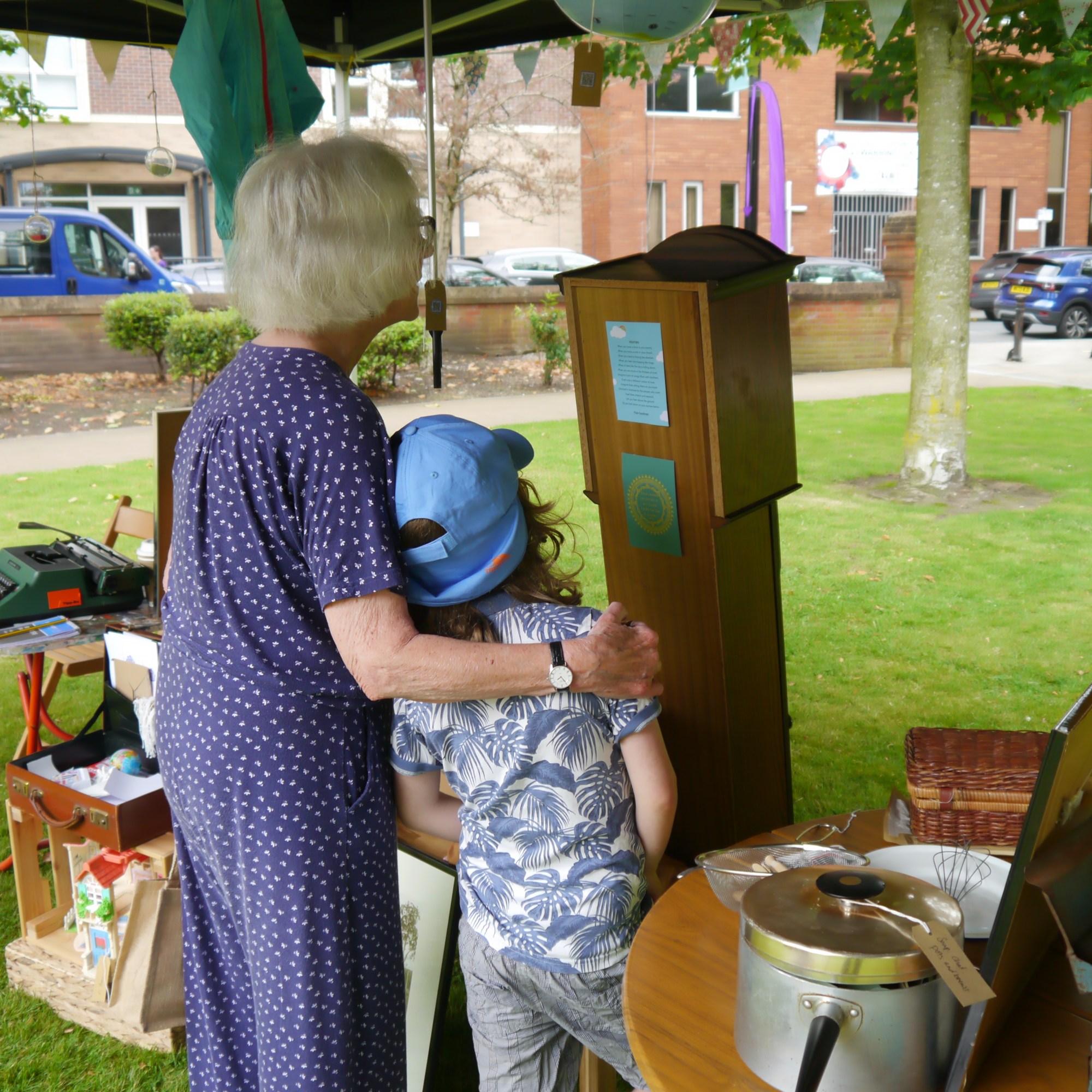
Once there is a collective feeling of joy seeking amongst the group, we are ready to access the next level of an artistic practice – Wondering. Wondering is our way of describing a creative curiosity that is born out of an artistic practice and exploration of an idea. It is not just about the participant wondering, it is also about the facilitator providing high quality artistic stimulus to provoke wonder. It often begins with a Wonder Box. A Wonder Box is a vessel filled with objects to provoke conversation. The box should reflect the conversations and interests that have been discovered in the previous sessions, curated to provoke a more in depth decision. This may evolve into something more specific like the inside of a carriage clock that houses clues to a secret character or a piece of audio that invites inspiration.

The Wondering stage is also there to encourage and cultivate creative skills. In this stage of the process the facilitator should begin sharing techniques to enhance the participant’s creative practice. In the previous stage, we may have used materials that are available at home – lots of recycled card, scrap paper, colouring pencils and pens. In the Wondering stage we will begin to elevate the materials on offer, Aqua markers instead of felt tips, Fineliners over pencils and introducing clay or acrylic paint pens. There is also some creative risk taking that comes with this practice. So we will scaffold this to reduce risk. If making a mark is too overwhelming for fear of getting it wrong, we will incorporate time and materials to practice.

As we work through the group’s Wondering era, the artist starts to see what the outcome could be. This is gently fed back to the group and feedback gathered about whether this idea is exciting to them as a collective.

adult workshops, Communication, Community, connection, creative writing, creativity, Family, storytelling, workshops

Let’s Raise Each Other Up

Your voice reminds me
That I do not know all things.
Thank you for that gift.

The biggest gift we can give someone is recognition. We can thank them for their hard work, commend them for their talents, celebrate their victories. We can tell them that we can see their suffering, their challenges and their obstacles. Recognition can be eye contact, a hand on the arm, a laugh. It can be a pay rise, a gold medal or a qualification.

When I think of the stories I have heard or the books I have read, the tales that have truly resonated with me are the ones where I see something of myself. Mostly this recognition is there through a shared inner conflict but sometimes it is about circumstances. Some stories get under my skin and I carry them endlessly for days, weeks, months or even years. Other stories pass though my ears to my voice and I move onwards leaving that story behind.

When it comes to the books, I want to read a similar type. They tell tales of some far off, often imagined land or time, where characters contend with something other worldly. Everything about these books have been considered, scrutinised, maximised to telling the best story. These stories are everywhere, packaged for all ages and stages.

When I think of the stories that stay with me, they often came at a moment that I had no idea I was going to hear them. These stories are not ones I would pick up off a book shelf or are stories where I recognise myself. They are often tales of injustice. They catch at my heart, holding it still and squeezing it tight at the unfairness of a situation. These stories are told in ways that are unedited. The way they are told is not considered in the same way that the books above have been. They are told, because the person telling them wants recognition. Even though, I do not see myself in these stories, I see the person talking.

In the whispered worries of participants in community settings, underneath the ‘what if I am not good enough’, there is a thought that has come loose. Its untethered to what has gone before. Its raw an it speaks amongst the scrunched up paper in the bin. It says ‘No one wants to hear my story.’

I love books and could spend hour after hour reading. However I often wonder are we representing everyone or are we only representing some? If you feel like you don’t belong in a book, you probably think you don’t belong in a story. If you feel like you don’t have the circumstances to write a book, you probably feel like you don’t have anything interesting to say.

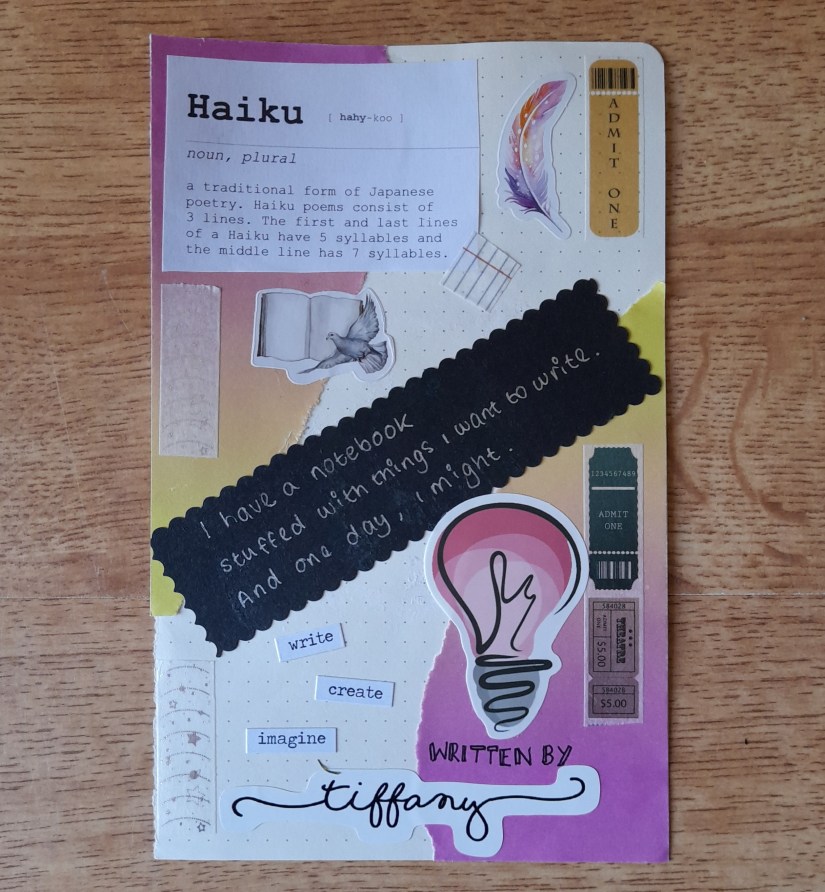
‘I have a notebook stuffed with things I want to write and one day I might’

Not only does the story disappear from you lips but it disappears from the ears of the listener. Its gone to some far off corner of lost property and we all loose an opportunity to share an experience or a connection. Reflecting on the last few years, we have lost so much. So many chance encounters and moments shared with others. So many voices that have been behind closed doors.

So let’s open more doors. Let’s gather together. Let’s share our stories. Let’s Listen to each other and in doing so let’s raise each other higher.

Communication, Community, connection, creativity, Joy, Kindness is Radical, storytelling, workshops

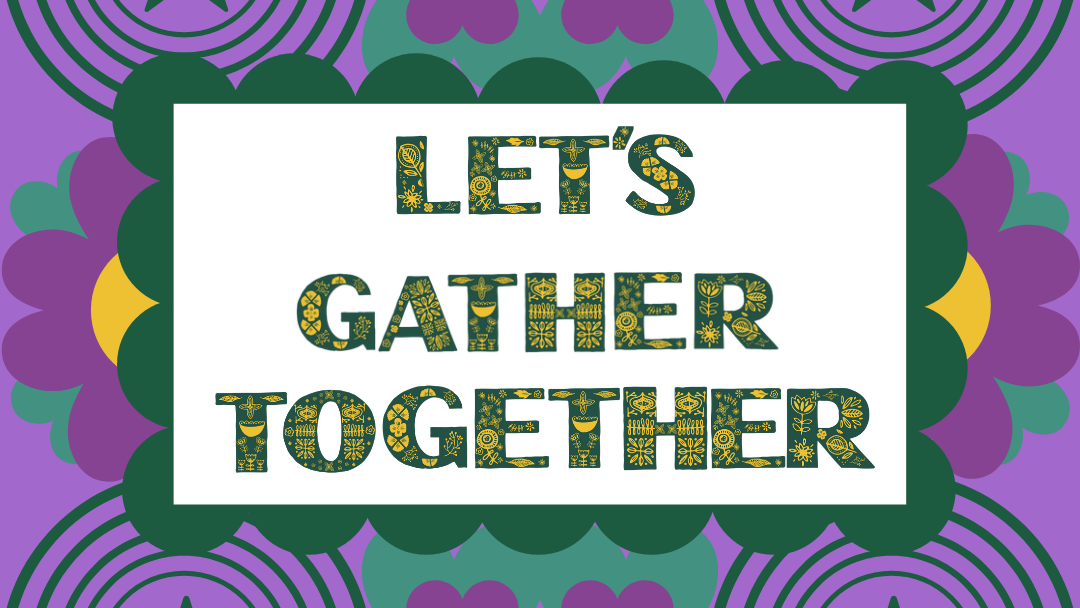
Let’s Gather Together

Let's Gather Together 
In any way we can. 
Whether we are collectors or a collective
We could be powerful.

Let's Gather Together
And discover the joy
That fills each of us.
We could be curious 

Let's gather together 
And listen with open ears.
For such an act of kindness
Is the grassroots of change and growth.

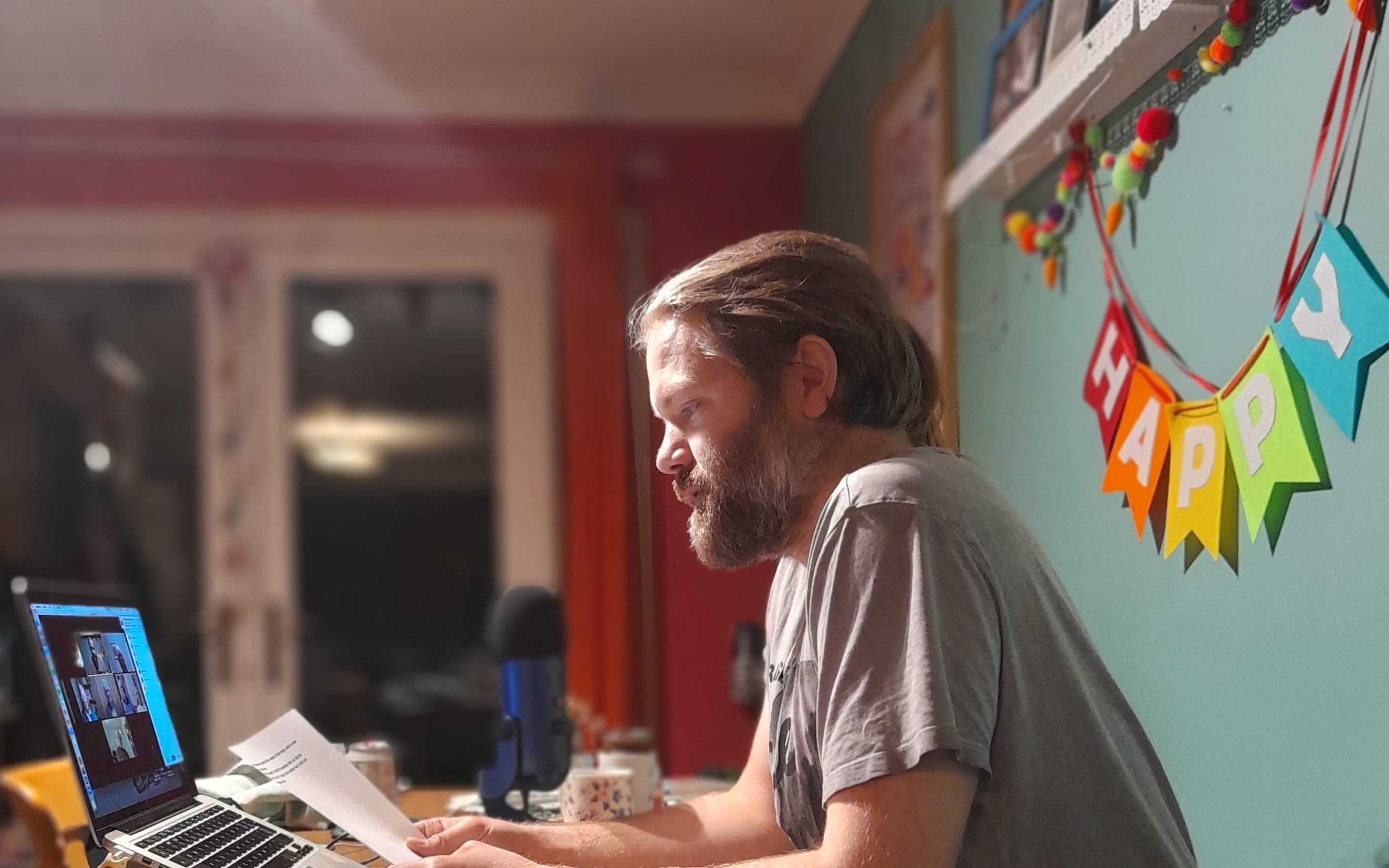
We are gathering in the soft glow if our screens, our virtual circle looks like a series of square windows. Perfectly aligned. We can see each others homes. Our plants, our pets, our pictures. Sometimes a child drifts in to say good night. We are a jumble sale of people. The colours of each small window vary. We are not all the same. We have different tastes, different drive, different experiences, but we all here to listen. To lean in and be taken by poem, prose or song to a world away from our perfectly aligned windows or the hum of our computers working, or our plants, our pets and our pictures. Our minds are filled with images of family roof tops dinners in India or a photography studio in Conwy or a a vibrant wedding party outside a registry office.

Flash forward to another gathering. We are in the room with parents and toddlers. There has been hushed moment with a book, a lively togetherness in song and now there is the gentle hub bub of noise as parents swap tales of the weekly challenges and children scrawl pens across pages mark making and mapping their wonder at how it works.

Flash forward to a group of teenage girls, stretching out on a quiet gallery floor. They are drafting poems about changing the world. They whisper ideas to each other. Every now and then their eyes light up at a great idea and an a smile unfilds hidden under their face masks.

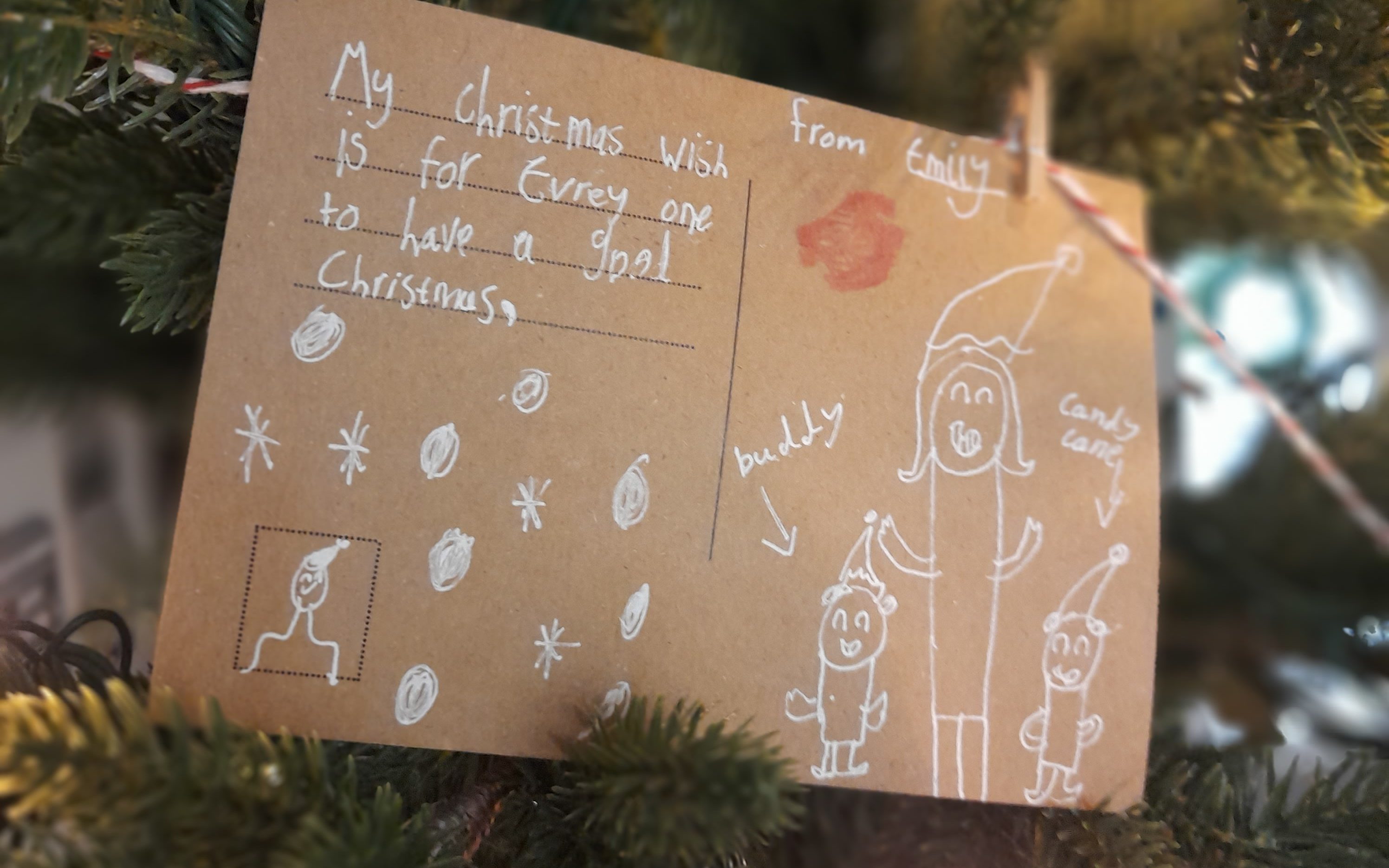
Flash forward to the entrance to a community hall, 3 generations of a family arrive at the same time. The youngest aged 3 and 7 and filling a postcard with drawings and words and commitments of kind acts tomorrow. Granny is writing a message of thanks to the NHS and the parents are sharing what they love about where they live. They all hang their creating in a christmas tree amongst twinkling yellow lights. The children walk away with a chocolate coin and a sparkling wish bag that has come all the way from the North Pole. A thank you gift from Father Christmas for spreading Christmas cheer.

No one in any of these experiences was undeserving of the opportunity to express themselves. All were welcome to share something of themselves and a connection tonothers. All left, feeling a little brighter and a little comforted.

In a world if division , don’t minimise connection.
In a world of suffering, stop minimising joy.
In a world that can be cruel, stop minimising kindness.

Moments of connection, joy and kindness may be fleeting, but they should be celebrated. They are the ground work of curiousity, strength and resilience. That is our work as community artists, to generate a space to gather together.