

Like stories, beginnings are important. We are often asked
“How do we start a project? What approaches do we have? What attitudes do we foster?”
So this is how we unpack the beginning of things, how we establish relationships and cultivate joy and wonder.
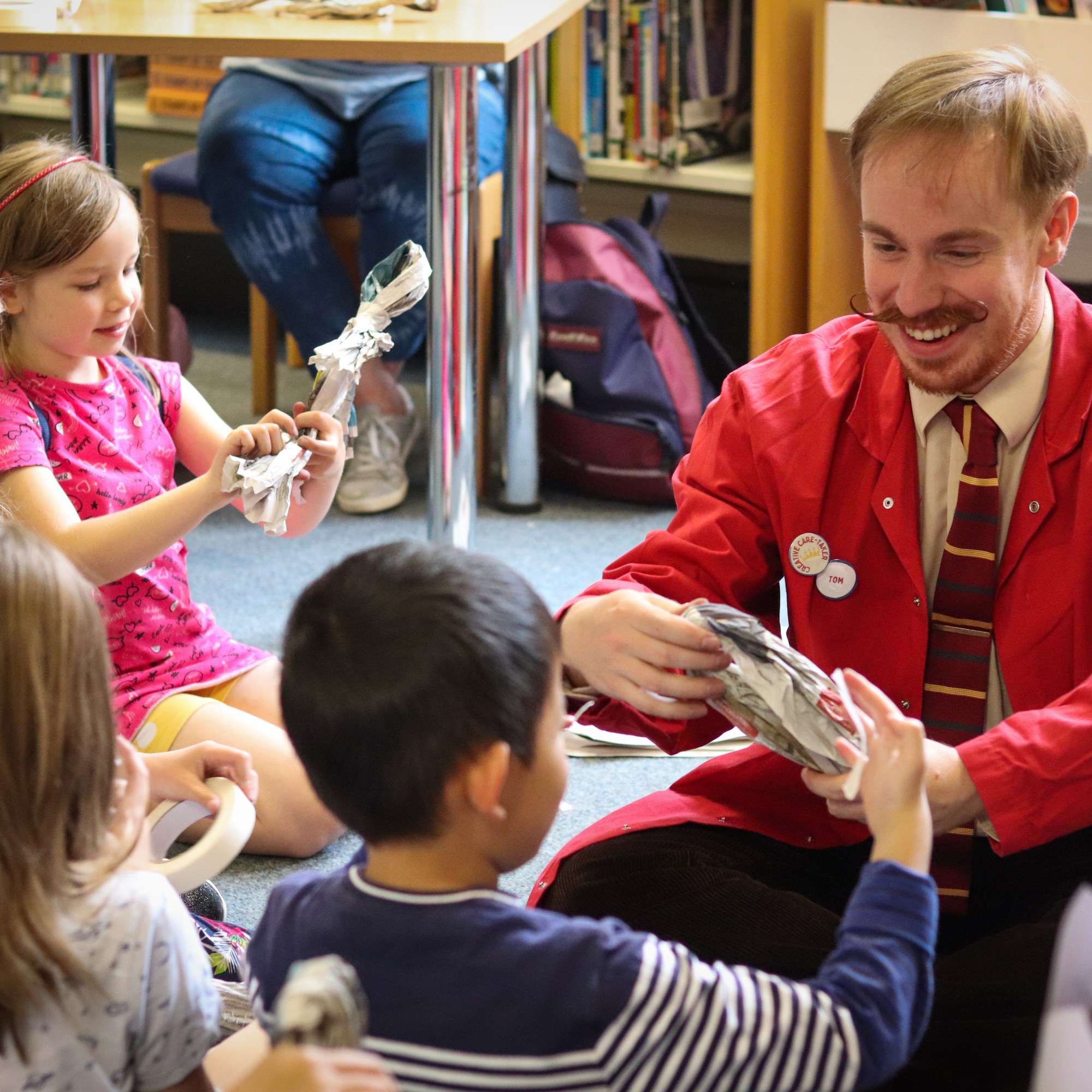
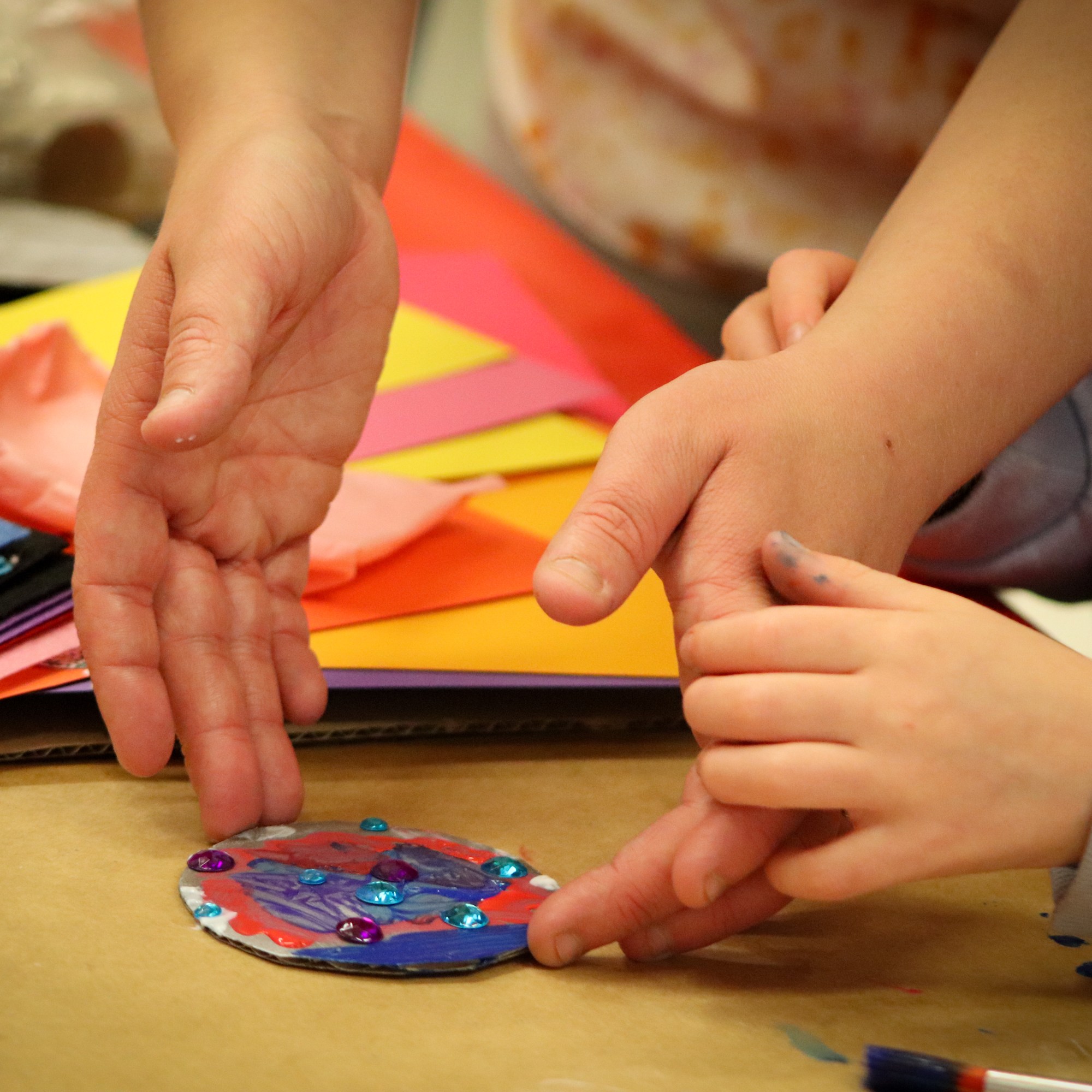
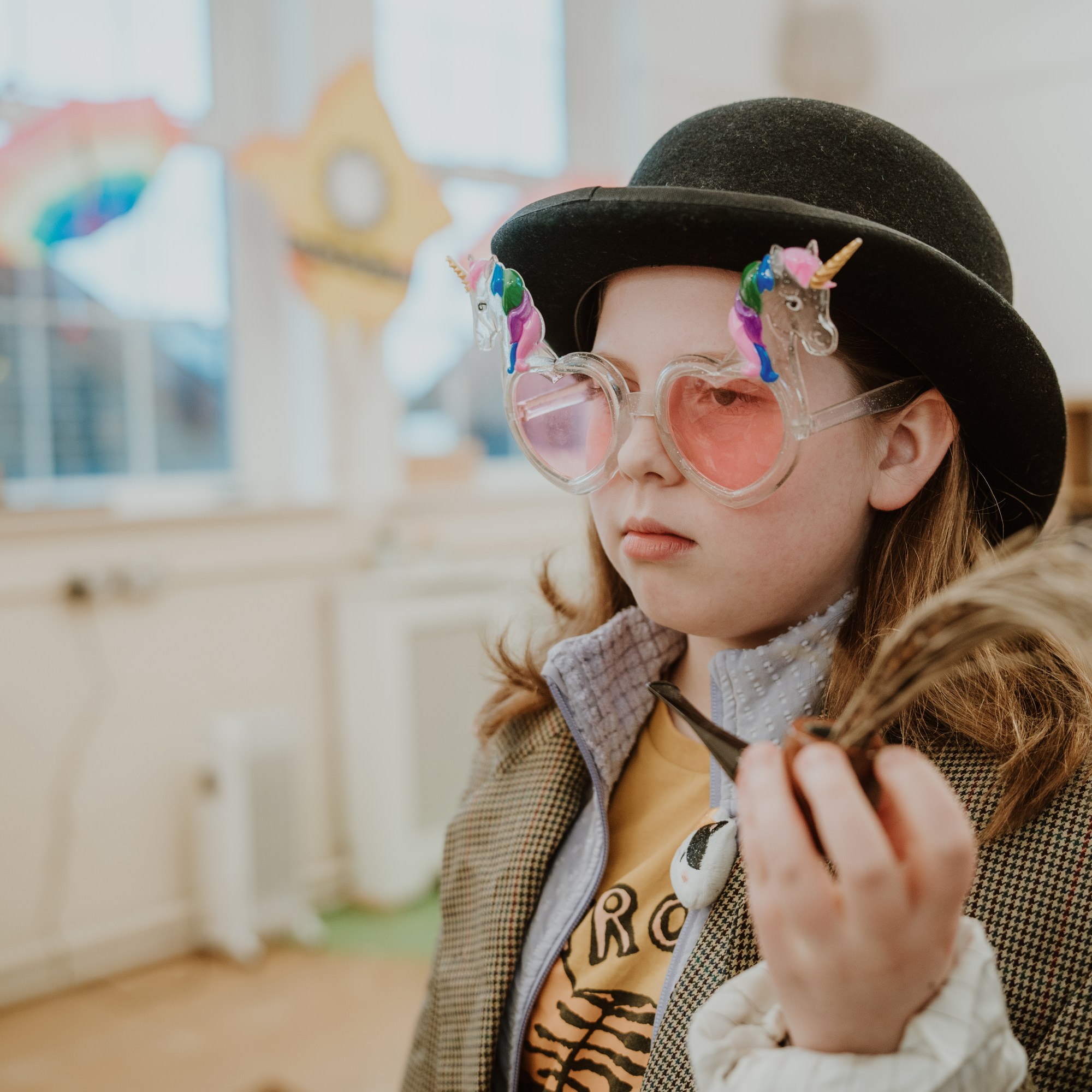
Joy Seeking
If we support folk to discover joy and curiosity, they are more likely to connect with meaningful creative activity. The word glimmer entered our vocabulary from the trauma informed community. For those who don’t know, a glimmer is considered to be the opposite of a trigger. While a trigger may cause trauma, stress or anxiety to surface, a glimmer is considered to be micro moments that induce happiness. Once we become aware of those glimmers, we can start to build upon them and make more time in our life to do the things that generate those glimmers.
However, some of our participants are not ready for glimmer hunting. They are so bogged down in the stresses of life that even a glimmer is beyond them. So we will look for a Spark. If a glimmer is a micro moment, a Spark is a nano second. A flashing twinkle that may fizzle out before the participant has even recognised that jot of joy in their body. As facilitators, it is our job to seek the Spark in our participants and build upon it.
This is a very watchful practice. These Sparks might be a widening of the eyes, a satisfied sigh, a flicker of a smile or a leaning into the work. It cannot be achieved if we are too busy teaching a refined artistic skill or aiming for an explicit finished piece of work. In this stage this is how we establish a relationship, we want to connect to the human before we connect to the artist. This early stage of creative collaboration is built around accessibility and appropriateness for the participant. We call this Scrapbook Storytelling.
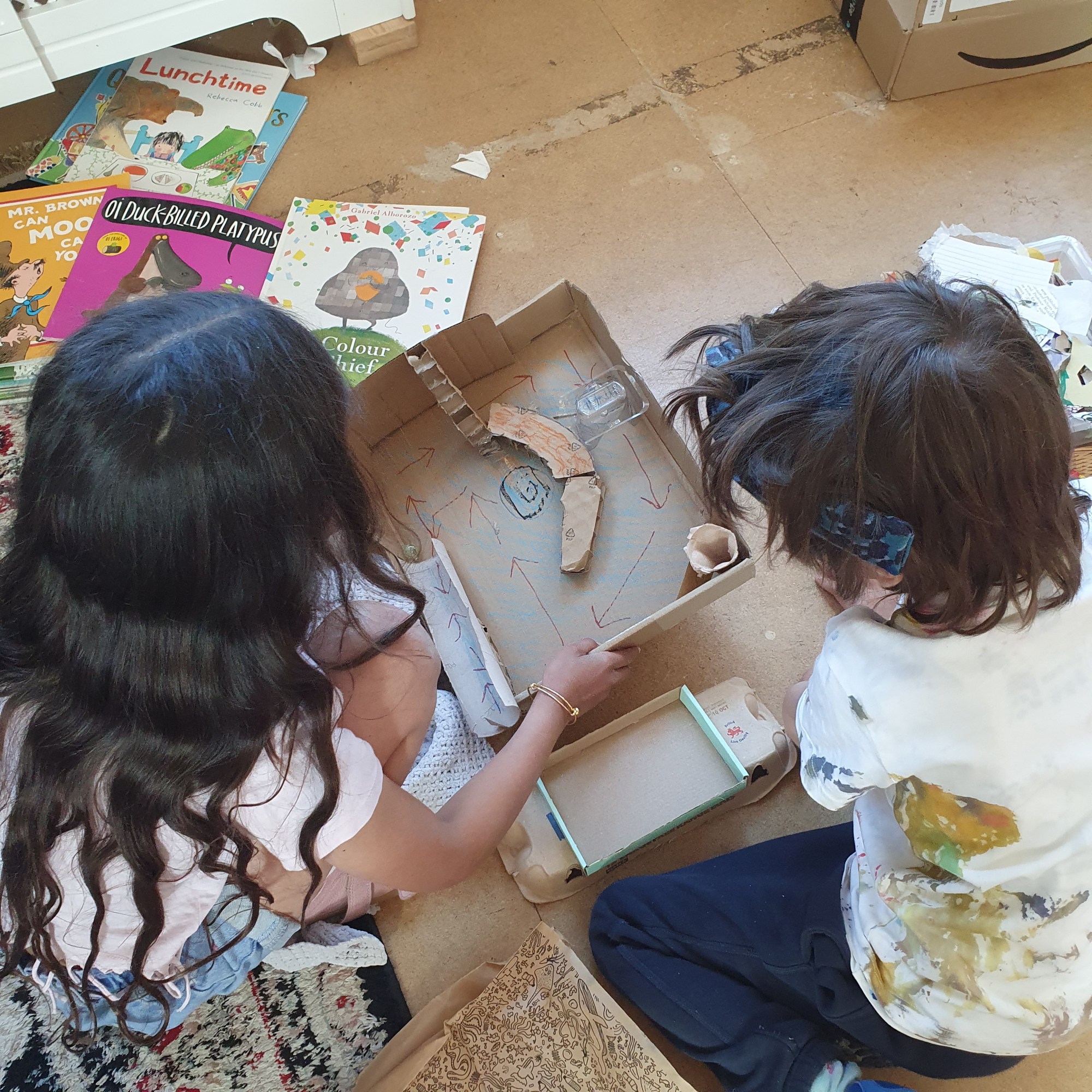
This could be a prompt sheet to encourage words or drawing their favourite things or telling us about their favourite character from a film, TV or book or collaging an object that they use everyday. From this moment we can really start to tailor the creative offer to match the common interests of the group. This is where the glimmers emerge and the participants begin to recognise the joy they are discovering in their creative practice. With our encouragement, we as a group start to seek the joy out.
This is done authentically. We, as artists, are also seeking joy. Instead of commenting on whether someone’s outcome is ‘Good ‘ or not, we give feedback on the approach: “I can see how you have made those dots using the pencil” or “You look happy. Is it the colours that you have used that are making you so happy?”


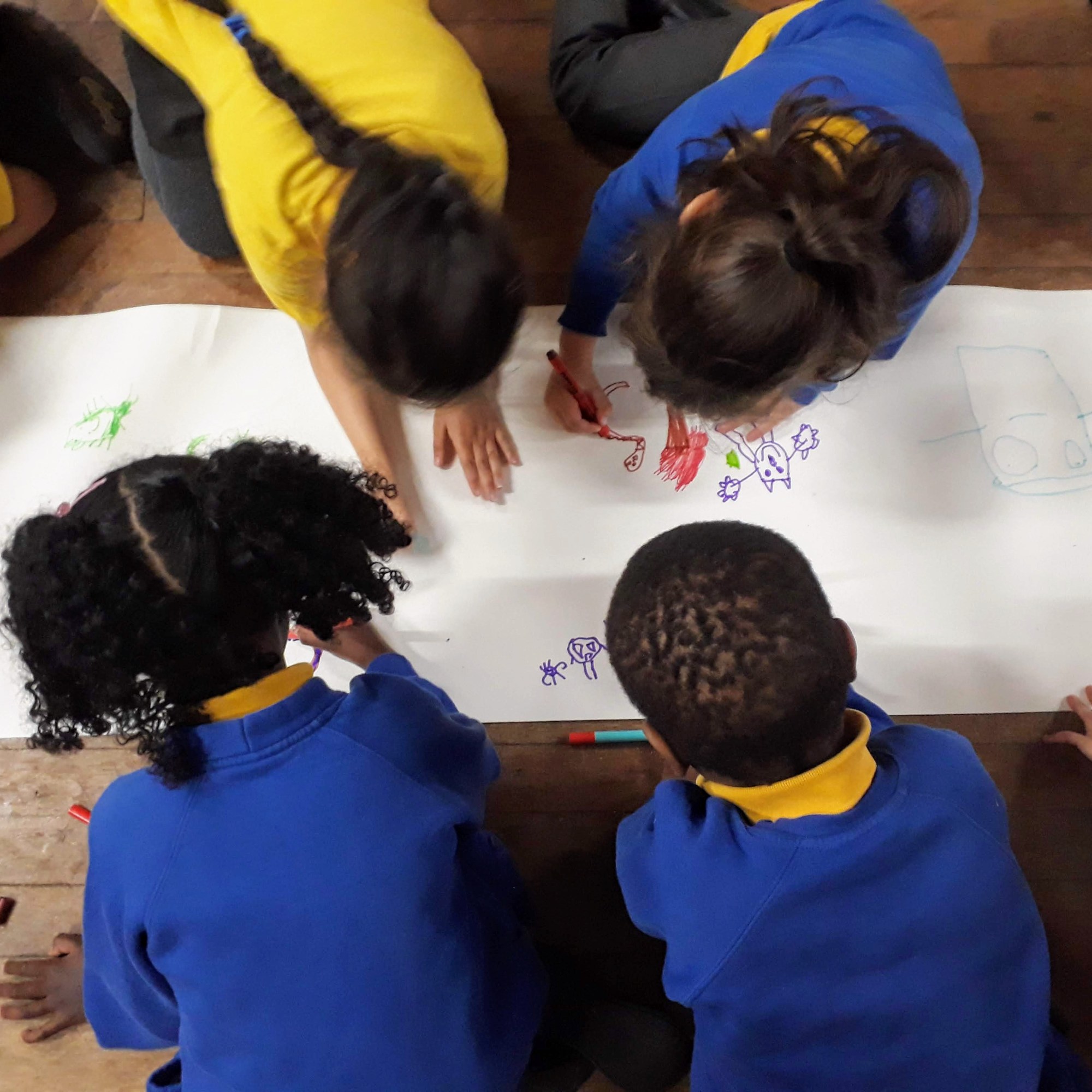
Wondering
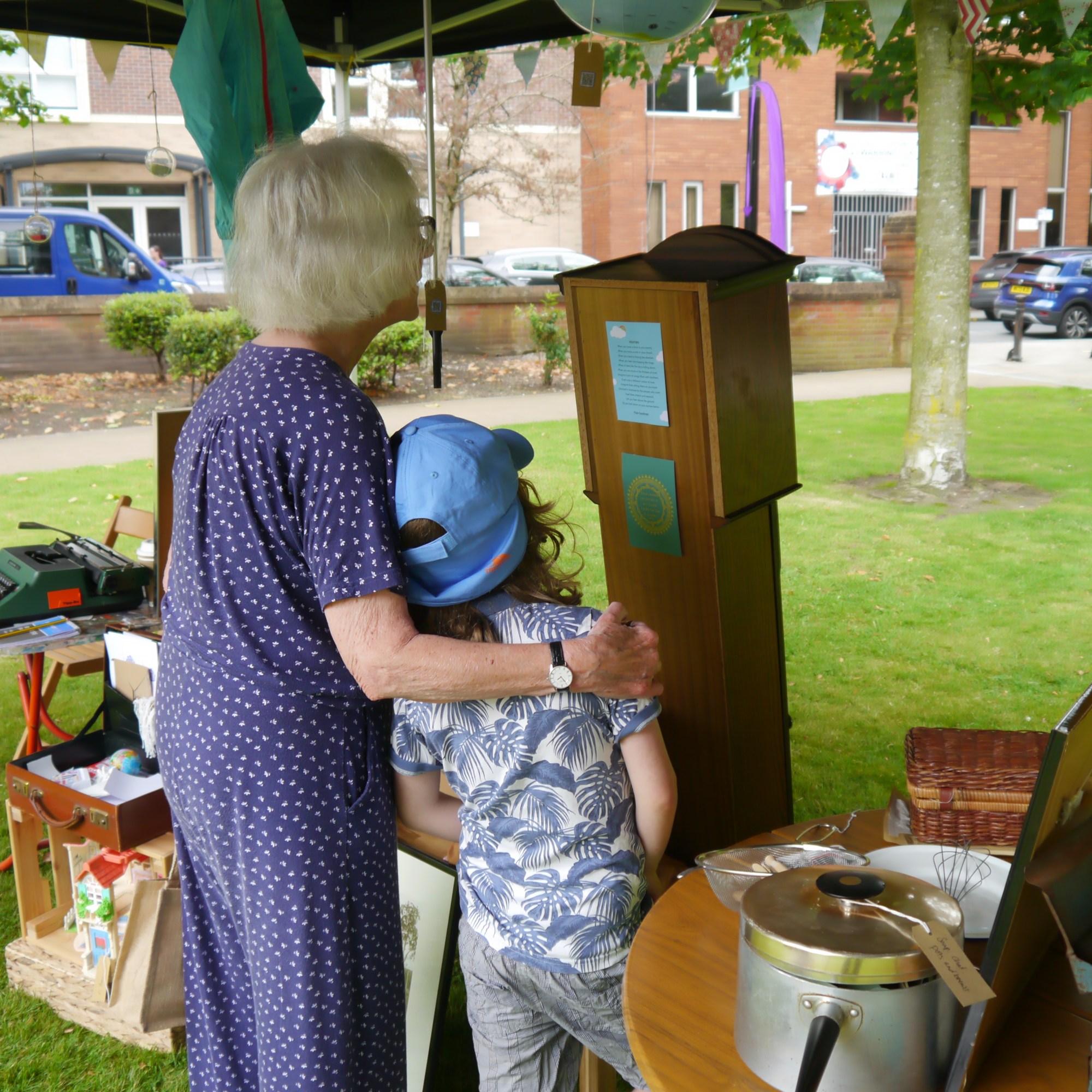
Once there is a collective feeling of joy seeking amongst the group, we are ready to access the next level of an artistic practice – Wondering. Wondering is our way of describing a creative curiosity that is born out of an artistic practice and exploration of an idea. It is not just about the participant wondering, it is also about the facilitator providing high quality artistic stimulus to provoke wonder. It often begins with a Wonder Box. A Wonder Box is a vessel filled with objects to provoke conversation. The box should reflect the conversations and interests that have been discovered in the previous sessions, curated to provoke a more in depth decision. This may evolve into something more specific like the inside of a carriage clock that houses clues to a secret character or a piece of audio that invites inspiration.
The Wondering stage is also there to encourage and cultivate creative skills. In this stage of the process the facilitator should begin sharing techniques to enhance the participant’s creative practice. In the previous stage, we may have used materials that are available at home – lots of recycled card, scrap paper, colouring pencils and pens. In the Wondering stage we will begin to elevate the materials on offer, Aqua markers instead of felt tips, Fineliners over pencils and introducing clay or acrylic paint pens. There is also some creative risk taking that comes with this practice. So we will scaffold this to reduce risk. If making a mark is too overwhelming for fear of getting it wrong, we will incorporate time and materials to practice.
As we work through the group’s Wondering era, the artist starts to see what the outcome could be. This is gently fed back to the group and feedback gathered about whether this idea is exciting to them as a collective.



 Story Stitchers